Affiliate disclosure and editorial independence
Specktra is an independent review site, not a seller. Some links to stores are affiliate links: we may earn a commission if you buy, at no cost to you. Ratings follow our published rubric, except Featured Stores' scores, which Specktra sets and notes on their reviews. Featured Stores (Specktra Partners in a paid placement) are placed first in the buying guides and labelled. This page is research information, not medical advice. Full disclosure · How we test and rate vendors
About this page
- Written by
- Specktra Editorial
- Edited and approved by
- Specktra Editorial
- Last updated
- 18 November 2026
- Fact-checked
- 18 November 2026
- Sources
- Primary studies and trial registries, regulator pages, and our own checks of store pages. See references below.
MOTS-c at a glance
- ALSO KNOWN AS
- MOTS-c, Mitochondrial ORF of the 12S rRNA type-c
- CLASS
- Longevity
- WHAT IT IS
- Mitochondrial-derived peptide
- MECHANISM
- A mitochondrial-derived peptide implicated in metabolic homeostasis in preclinical work.
- RESEARCH STAGE
- Human studies
- ROUTES STUDIED
- Subcutaneous (research)
- HUMAN STUDIES ON FILE
- 2
- FORMATS SEEN AT REVIEWED STORES
- Vial (lyophilised), Pen (pre-filled), Nasal spray, Capsules/tablets, Pen (pre-filled cartridge), Pen cartridge (refill)
- CAS
- 1627580-64-6
- MOLECULAR WEIGHT
- ≈ 2174 Da
What is MOTS-c?
MOTS-c (mitochondrial open reading frame of the 12S rRNA type-c) is a 16-amino-acid peptide. What makes it unusual is where it comes from: it is encoded inside the mitochondrial genome rather than in the DNA of the cell nucleus. It occurs naturally in the body, and the material sold for research is a synthetic copy.
It was first described in 2015 by a group at the University of Southern California, which reported that treating mice with MOTS-c improved insulin sensitivity and limited diet-induced obesity. Almost all of the evidence since then is animal, cell or observational work.
MOTS-c has no licensed brand name and is not an approved medicine. Products listed online as MOTS-c — freeze-dried powder in a vial, pre-filled pens, nasal sprays, sometimes a blend with SS-31, sometimes sold under names such as “Mito Boost” — are research-grade chemicals of unverified identity and purity. The US Food and Drug Administration has stated that it has not identified any human exposure data for drug products containing MOTS-c.
How does MOTS-c work?
The 2015 discovery paper reported that MOTS-c acts mainly on skeletal muscle. Inside the cell it interferes with the folate cycle and the purine synthesis that depends on it, which causes an intermediate (AICAR) to build up and activates AMPK — the enzyme cells use to sense low energy and switch on fuel-burning pathways.
A 2018 follow-up reported a second route: under metabolic stress, MOTS-c moves into the cell nucleus and helps regulate nuclear genes, including antioxidant-response genes, in an AMPK-dependent way. A mitochondrial peptide regulating nuclear gene expression was a novel finding, and it is why MOTS-c is often described as a signalling microprotein rather than a hormone in the usual sense.
More recent work in transgenic mice reported that the effect of MOTS-c on muscle mitochondrial performance depends on both AMPK and PGC-1α, and came with lower reactive-oxygen-species emission rather than more mitochondrial protein.
This is a plausible mechanism, not a demonstrated human benefit. What a pathway does in a mouse muscle does not establish what an injection does in a person.
A rare peptide encoded by mitochondrial DNA
Almost every protein in the body is encoded in nuclear DNA. Mitochondria carry their own small, circular genome, and it was long thought to encode only a small set of proteins.
MOTS-c was identified in a short open reading frame within the mitochondrial 12S ribosomal RNA gene, and it is 16 amino acids long — a microprotein rather than a conventional protein. It belongs to a small family of mitochondria-derived peptides that also includes humanin and the SHLPs; a 2022 review counted eight published members.
Two consequences matter for reading the research. First, because the peptide is natural and circulates in blood, many “MOTS-c studies” measure the body’s own levels rather than testing an injection. Second, measuring it is difficult: an assay developed for doping control found that concentrations from a commercial ELISA could not be reproduced by mass spectrometry, so absolute blood levels across papers are not directly comparable.
AMPK, PGC-1α and exercise-responsive signalling
MOTS-c sits in the same signalling territory as exercise. AMPK and PGC-1α are two of the switches that training turns on in muscle, and several studies have looked at the overlap.
In mice, high-fat feeding lowered MOTS-c in muscle and plasma, while treadmill training raised MOTS-c along with PGC-1α and GLUT4. In humans, the 2021 discovery-group paper reported that a bout of exercise increased MOTS-c in skeletal muscle and in the circulation in ten sedentary healthy young men. A separate randomised comparison of acute endurance and resistance exercise in 30 participants found humanin rose significantly after endurance exercise, while MOTS-c showed only a trend.
A 2026 study muddied the source: during one-legged knee-extensor exercise there was no arterio-venous difference across the working leg, which suggests muscle may not be what releases MOTS-c into the blood.
So the exercise link is real but modest and not fully explained. “Exercise in a vial” is a marketing line, not a finding: no study has shown that injecting MOTS-c reproduces the effects of training in people.
A brief history of MOTS-c
MOTS-c was described in 2015 in Cell Metabolism by Changhan Lee, Pinchas Cohen and colleagues at the University of Southern California, with co-authors at UCLA and the National Institute on Aging. The group had earlier worked on humanin, the first mitochondria-derived peptide to be found (in 2001), which is what prompted the search for others.
The group published the nuclear-translocation mechanism in 2018 and the exercise and physical-performance work in 2021. The intellectual property on humanin and MOTS-c was licensed by UCLA to CohBar, Inc., a biotechnology company; several of the key authors disclose consulting or shareholding relationships with CohBar in their papers, which is worth knowing when reading the literature.
CohBar took a MOTS-c analogue, CB4211, into a phase 1a/1b trial in healthy volunteers and people with non-alcoholic fatty liver disease. The registry record shows that study completed in April 2021.
MOTS-c itself never followed the usual route from laboratory to licensed medicine. It moved instead into the research-chemical market, where it is now sold widely as a “longevity” or “mitochondrial” peptide.
Lee, Cohen and the 2015 discovery paper
The founding paper (Lee, Zeng, … Cohen; Cell Metabolism, 2015) did two things. It identified the peptide — a 16-amino-acid sequence encoded within the mitochondrial 12S rRNA gene — and it tested what happens when mice are given it.
The reported findings: MOTS-c acted mainly on skeletal muscle, inhibited the folate cycle and de novo purine synthesis, and activated AMPK. In mice, treatment prevented both age-dependent and high-fat-diet-induced insulin resistance, and prevented diet-induced obesity.
A later paper from the same group used metabolomics to describe how treated obese mice differed, reporting reductions in sphingolipid, monoacylglycerol and dicarboxylate metabolism.
These are mouse results, and they are the foundation of everything sold under this name today. The paper itself makes no claim about humans.
What the research says
The MOTS-c literature is large but lopsided. PubMed indexes a few hundred papers, and they divide roughly into three groups:
- Animal and cell studies testing what injected or added MOTS-c does. This is where nearly all of the positive findings come from.
- Observational human studies measuring the body’s own MOTS-c in blood or muscle and correlating it with age, obesity, diabetes, kidney disease and other conditions. These describe a natural peptide, not a treatment.
- A very small amount of human interventional work. One phase 1a/1b trial of an analogue (CB4211) completed in 2021. A phase 2a trial of MOTS-c itself in prediabetes began recruiting in 2026 and is not due to finish until 2027 at the earliest.
There is no completed, published randomised trial of MOTS-c in people. A 2026 sports-medicine review of marketed peptides put it plainly: many unapproved peptides show favourable results in animal models, but rigorous human safety data are scarce.
2 published human studies of MOTS-c on file, each summarised and linked below. Jump to the studies, or see every compound's studies in our human study index.
What exists in humans, and what it is:
- Exercise response (Reynolds et al., 2021): ten sedentary healthy young men; MOTS-c rose in muscle and blood after a bout of cycling. Observational, no MOTS-c given.
- Acute exercise comparison (von Walden et al., 2021): 30 participants randomised to endurance exercise, resistance exercise or control. Humanin rose after endurance exercise; MOTS-c only trended upward.
- Ageing men (D’Souza et al., 2020): circulating MOTS-c was lower with age, while muscle expression was about 1.5-fold higher in middle-aged and older men than in young men.
- Obesity and insulin sensitivity: a small study of ten lean and ten obese adults found similar plasma levels in both groups, with correlations to insulin resistance only in the lean group; a 2026 study of 22 lean and 32 obese adults found higher levels in obesity and, in 10 patients followed up, no change six months after bariatric surgery. The two sets of findings do not agree.
- Interventional work: a phase 1a/1b trial of the analogue CB4211 (88 participants, single and multiple ascending subcutaneous doses, up to 28 days in people with fatty liver disease) completed in April 2021; no results are posted on the registry. A phase 2a trial of MOTS-c in 120 adults with prediabetes and overweight or obesity — 12 weeks of daily subcutaneous injection against placebo, with insulin sensitivity as the primary measure — started in February 2026 and is listed as recruiting.
In short: associations and one unreported early-phase trial. Nobody has published what MOTS-c does to a person over months.
Animal and laboratory findings
The animal work is where the claims come from, and it is reasonably consistent.
In mice, MOTS-c treatment prevented age-related and high-fat-diet-induced insulin resistance and diet-induced obesity. In the 2021 paper, treated mice ran longer on a treadmill at young, middle and old ages, and intermittent treatment started late in life increased physical capacity and healthspan.
Muscle has been studied repeatedly. MOTS-c lowered myostatin and atrophy signalling in obese mice and in cultured myotubes; in immobilised mice, eight days of treatment limited muscle loss to about 5% against about 15% in untreated controls, with less fat infiltration in the muscle. A 2026 study in transgenic mice reported better mitochondrial efficiency and lower oxidative stress, dependent on AMPK and PGC-1α.
These are preclinical results in animals given a known dose of a pure, characterised peptide. They are a reason to run human trials, not evidence that a human benefit exists.
What we still do not know
- Does it do anything in people? No completed randomised trial has been published. The first phase 2a trial of MOTS-c is still recruiting.
- Safety. The FDA has said it has not identified any human exposure data for products containing MOTS-c, and that it lacks important information about whether the substance would cause harm. The agency has also flagged a possible immunogenicity risk for certain routes of administration.
- Dose, schedule and route. Animal work used daily or thrice-weekly injection in milligrams per kilogram. Nothing establishes a human equivalent.
- Direction of the biology in humans. Human blood levels have been reported both unchanged and raised in obesity, and higher levels may be a compensatory response rather than something beneficial. Whether more MOTS-c is better is not settled.
- Measurement. Published blood levels differ by orders of magnitude between immunoassay and mass spectrometry, so “low MOTS-c” findings should be read with care.
- Blends. We are not aware of any published study of MOTS-c combined with SS-31 or with anything else sold as a stack.
- The products themselves. No study has tested the vials, pens, sprays or capsules sold by research-chemical stores. Identity, content and sterility are unknown without a credible batch certificate.
Animal evidence on insulin sensitivity, obesity and muscle
Pulling the preclinical metabolic and muscle work together, in the order it was reported:
- 2015, mice: MOTS-c treatment prevented high-fat-diet-induced obesity and both age-related and diet-induced insulin resistance; skeletal muscle appeared to be the main target organ.
- 2019, obese mice: metabolomics showed reduced sphingolipid, monoacylglycerol and dicarboxylate metabolism, pathways that are raised in obesity and type 2 diabetes models.
- 2021, obese mice and myotubes: MOTS-c reduced myostatin — a brake on muscle growth — and the FOXO1-driven muscle-wasting programme.
- 2021, obese mice: high-fat feeding lowered MOTS-c in muscle and plasma; treadmill training raised it, together with PGC-1α and GLUT4, and treatment plus exercise improved glucose handling.
- 2024, immobilised mice: eight days of treatment preserved muscle mass and reduced lipid infiltration and circulating inflammatory cytokines.
Several of these papers come from the discovery group and from authors with disclosed CohBar interests, which does not invalidate them but does mean the evidence is not broadly independent. None of this is a human result, and diabetic, obese and immobilised rodents are models, not patients.
Human data so far: exercise, blood levels and early trials
Human MOTS-c research so far answers a different question from the one buyers usually have. Almost all of it asks what the body’s own MOTS-c does, not what happens if you inject more.
Exercise. A bout of cycling raised muscle and circulating MOTS-c in ten sedentary healthy young men. A randomised acute-exercise study found a clear rise for humanin after endurance exercise but only a trend for MOTS-c. A 2026 knee-extensor study found no net release across the exercising leg, suggesting muscle may not be the source of the peptide in blood.
Blood levels in disease. Many cross-sectional studies have compared MOTS-c levels between patient groups and controls — in obesity, diabetes, kidney disease and others. The obesity findings alone run in both directions: unchanged in one small study, higher in another and unchanged again after substantial surgical weight loss. Ageing studies report lower circulating levels but higher muscle expression in older men.
Trials. One early-phase trial of the analogue CB4211 completed in 2021 with no results posted on the registry. A 12-week phase 2a trial of MOTS-c in prediabetes started in February 2026, with primary completion estimated for February 2027.
That is the whole human picture: associations, one small exercise study from the discovery group, and a trial that has not reported.
Potential benefits studied in research
Outcomes that studies have actually measured, with the setting attached:
- In mice: better insulin sensitivity, less weight gain on a high-fat diet, longer treadmill running at young, middle and old age, increased healthspan when treatment began late in life, and less muscle loss during immobilisation.
- In cells and animal muscle: lower myostatin and atrophy signalling, improved mitochondrial efficiency, less oxidative stress.
- In humans: nothing yet from giving MOTS-c. The human findings are correlations between the body’s own levels and age, muscle characteristics, insulin resistance and various diseases — and some of those correlations point in unexpected directions.
The registered phase 2a trial will test insulin sensitivity, HbA1c, fasting glucose, lipids, body weight and waist circumference in people with prediabetes. Until it reports, every benefit anyone claims for MOTS-c in a person is extrapolated from animals.
How long results took to appear in studies
There are no human treatment timelines to report, because no completed human treatment study has been published.
In the animal work, the intervals were short. Mice were given MOTS-c daily for about two weeks before treadmill testing; in the immobilisation study the treatment period was eight days; the late-life healthspan experiment used thrice-weekly injections from 23.5 months of age onward. The 2015 paper reported insulin-sensitivity changes after roughly a week of treatment in mice.
The registered human trial uses 12 weeks of treatment with a four-week safety follow-up, which is a reasonable signal of how long researchers expect any metabolic change to take to show up. It has not reported.
None of this translates into “results by week X” for a person.
Dosing as studied in research
We report doses only as they appear in published research, and only to show how little applies to people.
In the mouse studies, MOTS-c was given by intraperitoneal injection at 5 or 15 mg per kilogram per day, daily for two weeks before treadmill testing in the performance experiments, or three times a week in the late-life healthspan experiment. Dose per kilogram in a mouse does not scale to a person.
In humans, the CB4211 analogue trial used single and multiple ascending subcutaneous doses, with the dose levels not disclosed in the registry record. The current phase 2a trial of MOTS-c uses a fixed once-daily subcutaneous dose for 12 weeks; the registry does not state the amount.
There is no established human dose. Specktra does not publish dosing, titration or reconstitution instructions. Research-grade vials carry an unverified amount of unverified material, so a number on a label is not a dose.
Doses as used in studies, for research context only — not a dosing recommendation. MOTS-c dosing in research →
How MOTS-c is administered
In the published animal studies, MOTS-c was injected — usually intraperitoneally in mice. The human studies of the analogue and of MOTS-c itself use subcutaneous injection.
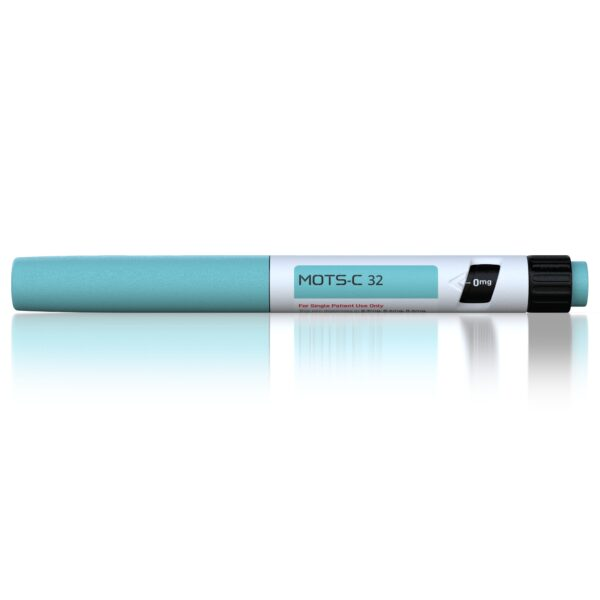
Across the stores we review, MOTS-c is sold mostly as freeze-dried powder in a vial for reconstitution, with pre-filled pens and refill cartridges at about a third of them. A handful list a nasal spray, and one lists capsules. We know of no published study of MOTS-c given by nose or by mouth, and no published human bioavailability data for any route; the FDA has noted a possible immunogenicity risk for certain routes of administration.
So a nasal or oral format is not a studied alternative to injection. It is an unstudied product in a different container. This page does not give reconstitution volumes or injection instructions.
Routes used in studies: Subcutaneous (research).
Side effects and safety
There is almost nothing to report, and that is the finding.
No completed, published human trial describes the side effects of MOTS-c. The phase 1a/1b trial of the CB4211 analogue was designed with adverse events, laboratory values and vital signs as primary measures; it completed in 2021 and no results are posted on the registry. The current phase 2a trial lists treatment-emergent adverse events as a co-primary endpoint and has not reported.
The FDA has stated that it has not identified any human exposure data for products containing MOTS-c, that it lacks important information about safety issues including whether the substance would cause harm, and that compounded products containing it may pose a significant immunogenicity risk for certain routes of administration. A 2026 review in Sports Medicine made the general point for this class of marketed peptides: human safety data are scarce and there is potential for serious harm.
An absence of reported side effects is not a good safety record. On top of the unknown pharmacology, research-grade products add the ordinary risks of unverified material: wrong content, contamination, non-sterile injectables, or a different substance altogether.
Reported in studies — not a safety assessment for human use. All reported MOTS-c side effects →
Who should not use MOTS-c
MOTS-c has no approved product label anywhere we can verify, so there is no official contraindication list and no professional product information to fall back on.
What can be said:
- Safety in pregnancy and breastfeeding has not been studied.
- Safety in children and adolescents has not been studied.
- Effects in older adults, and in people with kidney, liver, heart or metabolic disease, have not been established in any completed trial — even though blood MOTS-c is altered in several of those conditions.
- Interactions with medicines, including diabetes medicines, are unknown.
- The registered trial of MOTS-c screens and monitors its participants under medical supervision, with ECGs and laboratory testing. That context does not exist for a vial bought online.
Anyone thinking about a metabolic or “longevity” treatment should speak to a qualified doctor. This page is research context, not medical advice, and not a substitute for a product label.
MOTS-c versus SS-31: two mitochondrial strategies
MOTS-c and SS-31 are both called mitochondrial peptides, and that is where the similarity ends.
MOTS-c is a signalling microprotein encoded in mitochondrial DNA. It works indirectly, through AMPK and related pathways, and its human evidence base is observational.
SS-31 (elamipretide) is a synthetic peptide designed to bind cardiolipin, a lipid in the inner mitochondrial membrane, and to stabilise its structure. It has been through a conventional drug-development programme, including the phase 3 MMPOWER-3 trial in primary mitochondrial myopathy — 218 participants, 24 weeks, which did not meet its primary endpoints on walking distance or fatigue, though treatment was well tolerated. In September 2025 it received accelerated approval in the United States to improve muscle strength in adults and children with Barth syndrome, an ultra-rare genetic disorder; it is also in phase 3 development for dry age-related macular degeneration and mitochondrial myopathies.
The practical difference for a reader: one of these compounds has a regulator-reviewed human dossier for one narrow, rare indication, and the other has none. Neither has a published trial supporting the general “mitochondrial health” use they are sold for, and an approval for Barth syndrome says nothing about an unmonitored adult using a research vial.
The MOTS-c and SS-31 blend, and why it is sold together
A MOTS-c and SS-31 combination appears in our listing data at a small number of stores, as vials and as one pen. The commercial logic is easy to see: two peptides that both carry the word “mitochondrial”, sold as one injection.
The research logic does not follow. The two act on different things — a signalling peptide that works through AMPK, and a lipid-binding peptide that targets the inner mitochondrial membrane — and we are not aware of any published study testing them together, in animals or in people. A blend inherits neither compound’s evidence.
It also makes verification harder. A certificate of analysis for a two-component product has to establish identity and purity for both peptides and the amount of each. A single purity figure, or a certificate that names only one of them, does not describe what is in the vial. Nothing we say about MOTS-c on this page applies to the blend.
Stacking and combinations
The only combination with any published support is not a product at all: in mice, MOTS-c plus treadmill training affected PGC-1α expression and glucose handling more than either alone. That is an animal study of a peptide and exercise, not a licence for a stack.
Commercially, MOTS-c is sold alongside and blended with SS-31, and is grouped with NAD+ precursors and other “mitochondrial” or longevity products. We know of no published study of MOTS-c combined with SS-31, with NAD+ precursors, or with any other peptide.
An untested combination is not the sum of two evidence bases. It is a product with no evidence of its own, and with twice as much to verify on the certificate.
- WITH SS-31
- Two mitochondrial-targeting peptides; the basis of the MOTS-c + SS-31 blend.
Storage, reconstitution and handling
MOTS-c is sold both as freeze-dried (lyophilised) powder in a sealed vial and in ready-to-use pens, cartridges and sprays.
As a general rule for research peptides, unopened powder is kept cold, dry and away from light, and anything reconstituted or ready-mixed is kept refrigerated and used within the period the batch documentation states. Ready-to-use formats take the mixing step away but shift the burden onto the manufacturer: the product has been in solution since it was filled, so the storage and expiry information on the batch documentation matters more, not less.
Follow the storage conditions on the product’s own certificate of analysis — they vary by batch and format. This page does not give reconstitution volumes or injection instructions. These products are sold for laboratory research only.
Legal and regulatory status
As of our last check, MOTS-c has no marketing authorisation from the US FDA, the European Medicines Agency or the UK MHRA, and is not a licensed medicine. Check the regulator databases linked below for the current position. Its legal status therefore depends on each country’s rules for unlicensed medicines and research chemicals, which differ and change.
In the United States, MOTS-c appears on the FDA’s bulk-substances page for compounding as a nomination that was withdrawn, with the agency recording that it has identified no human exposure data and that compounded products containing it may pose a significant immunogenicity risk for certain routes of administration. MOTS-c was then on the agenda of the FDA’s Pharmacy Compounding Advisory Committee meeting of 23–24 July 2026, where, according to published reports, the committee voted narrowly (7 to 5, with two abstentions) to recommend allowing pharmacies to compound it, against the advice of FDA staff. The vote is advice to the FDA, not a decision; as of November 2026 we found no final FDA decision, and MOTS-c is not an approved medicine.
Stores sell it as a research chemical “not for human consumption”. That label does not make human use legal or safe.
For athletes, the position is explicit. The World Anti-Doping Agency’s Prohibited List names “mitochondrial open reading frame of the 12S rRNA-c (MOTS-c)” as an example under S4.4.1, activators of AMP-activated protein kinase — prohibited at all times, in and out of competition, and a non-specified substance. The list also warns that many peptides not approved for human use fall under S0 even when they are not named individually.
Country-specific detail is on each country’s where-to-buy page.
Vial versus pen versus blend
Four formats appear in the MOTS-c listings we have reviewed, across 71 stores:
- Freeze-dried powder in a vial — far the most common, offered by roughly nine in ten of those stores. It needs reconstituting, and the certificate covers the powder, which is the easiest thing to document properly.
- Pre-filled pens and refill cartridges — about a third of stores. No mixing, but the content per pen is fixed and the certificate has to cover a finished, filled, already-dissolved product, which fewer vendors can show.
- Nasal spray — a handful of stores. There is no published human study of MOTS-c by this route.
- Capsules — one store. Again, no published study of oral MOTS-c.
None of these is a licensed pen or medicine: no MOTS-c product is an approved medicine anywhere we can verify. Blends with SS-31 are listed separately at a small number of stores and are not the same product as MOTS-c on its own.
Across all MOTS-c listings in our latest pass, a certificate of analysis was shown on the product page in about a third of cases, and only about a quarter of the stores listing MOTS-c showed one on any of their MOTS-c pages.
- Vial (lyophilised) · 161 listings
- Pen (pre-filled) · 49 listings
- Nasal spray · 3 listings
- Capsules/tablets · 3 listings
- Pen (pre-filled cartridge) · 2 listings
- Pen cartridge (refill) · 1 listing
Where to buy MOTS-c


MOTS-c from other brands
Products we found at several stores we review, with the number of stores selling each.
- Body Pharm
- 10mgpowder (vial or mix-yourself pen) (6 stores)
- Noventra Pharma
- 10mgready-to-use pen (3 stores)10mgpowder (vial or mix-yourself pen) (3 stores)
- UPA
- 20mgpowder (vial or mix-yourself pen) (6 stores)
- HD Labs
- 10mgpowder (vial or mix-yourself pen) (3 stores)
- iPharma
- 30mgready-to-use pen (3 stores)
- Keifei
- 20mgpowder (vial or mix-yourself pen) (3 stores)
Blends containing MOTS-c
Pre-mixed products that include MOTS-c. GLOW, KLOW and the BPC-157 + TB-500 stack have pages of their own; a blend has not been studied as a combination unless a study says so.
- MOTS-c + SS-31 · 1 offer in United Kingdom
How we test and rate vendors
We review stores against their own product, policy and checkout pages and score them on a published rubric: value, range, delivery, returns, support and payment, with adjustments for certificates of analysis and red flags. We do not lab-test vials ourselves. Our full method → Our guide to how peptides are tested and how to read a COA explains what a certificate should show.
Our verdict
MOTS-c is genuinely interesting science. A peptide encoded in the mitochondrial genome that signals to the nucleus is a real discovery, and the mouse data on insulin sensitivity, obesity and muscle are consistent enough that a phase 2a trial in prediabetes is now underway.
That is also the whole of it. There is no completed, published human trial. The human literature measures the body’s own MOTS-c and disagrees with itself on something as basic as whether levels are high or low in obesity. The FDA records no human exposure data at all, and flags a possible immunogenicity risk. For anyone subject to anti-doping rules, MOTS-c is named on the WADA Prohibited List and prohibited at all times.
The buying risk is the familiar one, and here it is worse than usual. In our latest pass, only about a quarter of the stores listing MOTS-c showed a certificate of analysis on any MOTS-c page, and the products being sold run from powder to nasal sprays and capsules that no study has ever examined. If you research this compound, only consider stores that publish a batch-specific, checkable certificate from a named laboratory, treat the absence of one as a reason not to buy, and treat the blends as a separate, wholly untested product. Our country pages show which reviewed stores document it best.
Frequently asked questions
Is MOTS-c a steroid or a growth-hormone peptide?
Neither. MOTS-c is a 16-amino-acid microprotein encoded in mitochondrial DNA. It does not act on androgen receptors and it is not a growth-hormone secretagogue; in preclinical work it acts mainly through AMPK signalling in skeletal muscle. For athletes it is still prohibited: the WADA Prohibited List names it under S4.4.1, activators of AMP-activated protein kinase.
Has MOTS-c been tested in completed human clinical trials?
Not with published results. A phase 1a/1b trial of a MOTS-c analogue, CB4211, completed in 2021 and no results are posted on the registry. A 12-week phase 2a trial of MOTS-c itself in 120 adults with prediabetes and overweight or obesity began recruiting in February 2026, with primary completion estimated for 2027. Everything else in humans is observational.
How is MOTS-c linked to exercise in the research?
Exercise raised MOTS-c in muscle and blood in ten sedentary healthy young men in a 2021 study, and in mice training raised muscle MOTS-c alongside PGC-1α. But a randomised acute-exercise study found only a trend for MOTS-c, and a 2026 study found no net release from exercising muscle. No study has shown that injecting MOTS-c reproduces the effects of training in people.
What is the difference between MOTS-c and SS-31?
MOTS-c is a natural mitochondrial-encoded signalling peptide that works through AMPK. SS-31 (elamipretide) is a synthetic peptide that binds cardiolipin in the inner mitochondrial membrane, and it has been through randomised human trials; in September 2025 it received accelerated approval in the United States for muscle strength in Barth syndrome, a rare genetic disorder. MOTS-c has no approval anywhere we can verify. The blend of the two has never been studied as a combination.
Where can I buy MOTS-c?
MOTS-c is not an approved medicine, so it is not available on prescription. Research-chemical stores list it for laboratory research only. Our country where-to-buy pages show which of the stores we have reviewed list it, which formats they offer, and which publish a batch certificate of analysis. Specktra is a reviewer, not a seller.
What should a MOTS-c certificate of analysis show before I consider a vendor?
A lot number that matches the product, a named testing laboratory and a date; identity by mass spectrometry and purity by HPLC, with the actual spectrum or chromatogram; the stated content per vial, pen or bottle; and endotoxin and sterility results for anything injectable or pre-mixed. For a MOTS-c and SS-31 blend, it must cover both peptides separately. A purity percentage with no document behind it tells you nothing.
References and further reading
- Knoop A et al. Development of a mass spectrometry based detection method for the mitochondrion-derived peptide MOTS-c in plasma samples for doping control purposes. Rapid Commun Mass Spectrom 2019 PMID 30394592
- Lee C et al. The mitochondrial-derived peptide MOTS-c promotes metabolic homeostasis and reduces obesity and insulin resistance. Cell Metab 2015 PMID 25738459
- Kim KH et al. The mitochondrial-encoded peptide MOTS-c translocates to the nucleus to regulate nuclear gene expression in response to metabolic stress. Cell Metab 2018 PMID 29983246
- Miller B et al. Mitochondria-derived peptides in aging and healthspan. J Clin Invest 2022 PMID 35499074
- Reynolds JC et al. MOTS-c is an exercise-induced mitochondrial-encoded regulator of age-dependent physical decline and muscle homeostasis. Nat Commun 2021 PMID 33473109
- ClinicalTrials.gov — NCT03998514, phase 1a/1b study of CB4211 (a MOTS-c analogue) in healthy non-obese subjects and subjects with NAFLD
- ClinicalTrials.gov — NCT07505745, phase 2a study of MOTS-c for insulin sensitivity in adults with prediabetes and overweight/obesity
- Specktra store listing pass for MOTS-c, 13 November 2026 (71 stores, 224 listings)
- US FDA — Certain bulk drug substances for use in compounding that may present significant safety risks (MOTs-C entry)
- Yang B et al. MOTS-c interacts synergistically with exercise intervention to regulate PGC-1α expression, attenuate insulin resistance and enhance glucose metabolism in mice via AMPK signaling. Biochim Biophys Acta Mol Basis Dis 2021 PMID 33722744
- Gudiksen A et al. MOTS-c improves intrinsic muscle mitochondrial bioenergetic health and efficiency in a PGC-1α/AMPK-dependent manner. Free Radic Biol Med 2026 PMID 41520850
- von Walden F et al. Acute endurance exercise stimulates circulating levels of mitochondrial-derived peptides in humans. J Appl Physiol 2021 PMID 34351816
- Kim SJ et al. The mitochondrial-derived peptide MOTS-c is a regulator of plasma metabolites and enhances insulin sensitivity. Physiol Rep 2019 PMID 31293078
- Kumagai H et al. MOTS-c reduces myostatin and muscle atrophy signaling. Am J Physiol Endocrinol Metab 2021 PMID 33554779
- Kumagai H et al. Mitochondrial-derived microprotein MOTS-c attenuates immobilization-induced skeletal muscle atrophy by suppressing lipid infiltration. Am J Physiol Endocrinol Metab 2024 PMID 38170165
- Yoon SH et al. Systemic MOTS-c levels are increased in adults with obesity in association with metabolic dysregulation and remain unchanged after weight loss. J Clin Transl Endocrinol 2026 PMID 41551324
- Shirley M. Elamipretide: first approval. Drugs 2026 PMID 41335372
- Karaa A et al. Efficacy and safety of elamipretide in individuals with primary mitochondrial myopathy: the MMPOWER-3 randomized clinical trial. Neurology 2023 PMID 37268435
- Mendias CL, Awan TM. Safety and efficacy of approved and unapproved peptide therapies for musculoskeletal injuries and athletic performance. Sports Med 2026 PMID 41966639
- World Anti-Doping Agency — Prohibited List (S4.4.1, activators of AMP-activated protein kinase)
- D'Souza RF et al. Increased expression of the mitochondrial derived peptide, MOTS-c, in skeletal muscle of healthy aging men is associated with myofiber composition. Aging (Albany NY) 2020 PMID 32182209
- Cataldo LR et al. Plasma MOTS-c levels are associated with insulin sensitivity in lean but not in obese individuals. J Investig Med 2018 PMID 29593067
- US FDA. Pharmacy Compounding Advisory Committee, meeting of 23–24 July 2026: agenda
- FDA Law Blog (Hyman, Phelps & McNamara). PCAC approves four bulk drug substances for the 503A list, July 2026
- US FDA — Drugs@FDA database
- European Medicines Agency — medicines search
- UK MHRA — products database
- PubMed — MOTS-c in title or abstract (264 records at 13 November 2026)
Plus the 2 human studies listed and linked above.