Affiliate disclosure and editorial independence
Specktra is an independent review site, not a seller. Some links to stores are affiliate links: we may earn a commission if you buy, at no cost to you. Ratings follow our published rubric, except Featured Stores' scores, which Specktra sets and notes on their reviews. Featured Stores (Specktra Partners in a paid placement) are placed first in the buying guides and labelled. This page is research information, not medical advice. Full disclosure · How we test and rate vendors
About this page
- Written by
- Specktra Editorial
- Edited and approved by
- Specktra Editorial
- Last updated
- 18 November 2026
- Fact-checked
- 18 November 2026
- Sources
- Primary studies and trial registries, regulator pages, and our own checks of store pages. See references below.
Retatrutide at a glance
- ALSO KNOWN AS
- LY3437943
- CLASS
- Metabolic
- WHAT IT IS
- GLP-1 / GIP / Glucagon triple receptor agonist
- MECHANISM
- Single peptide agonist at the GIP, GLP-1 and glucagon receptors (triple agonist).
- RESEARCH STAGE
- Phase 3 trials
- ROUTES STUDIED
- Subcutaneous
- HUMAN STUDIES ON FILE
- 14
- FORMATS SEEN AT REVIEWED STORES
- Vial (lyophilised), Pen (pre-filled)
- CAS
- 2381089-83-2
- MOLECULAR WEIGHT
- ≈ 4731 Da
What is Retatrutide?
Retatrutide is an investigational, synthetic peptide developed by Eli Lilly and Company under the code name LY3437943. It is a single molecule that activates three hormone receptors at once — GIP, GLP-1 and glucagon — which is why it is often called a “triple agonist” or “triple-hormone-receptor agonist”.
It is being studied as a once-weekly injection for obesity, type 2 diabetes and related conditions, and has reached phase 3 trials. At the time of writing it has no licensed brand name and is not an approved medicine.
That distinction matters for anyone reading a store listing. Products sold online as “retatrutide” — usually freeze-dried powder in a vial, sometimes a pre-filled pen, and sometimes under code names such as “GLP-3” — are research-grade chemicals of unverified identity and purity, not Eli Lilly’s trial drug.
How does Retatrutide work?
Retatrutide mimics three gut and pancreatic hormones that help regulate appetite, blood sugar and energy use:
- GLP-1 (glucagon-like peptide-1) slows stomach emptying, increases insulin release when blood sugar is high and reduces appetite.
- GIP (glucose-dependent insulinotropic polypeptide) also boosts insulin release and is thought to add to the appetite and weight effects of GLP-1.
- Glucagon normally raises blood sugar, but at the glucagon receptor it also increases energy expenditure and fat use in the liver.
The idea behind the design is that combining the appetite and glucose effects of GLP-1 and GIP with the energy-expenditure effect of glucagon could produce more weight loss than one or two pathways alone. Whether that adds up to a clinical advantage is a question for the trials, summarised below — the mechanism alone does not prove it.
The triple agonist: GLP-1, GIP and glucagon explained
Most earlier drugs in this family act on one receptor (semaglutide: GLP-1) or two (tirzepatide: GIP and GLP-1). Retatrutide’s discovery paper describes a peptide tuned to activate all three receptors, with relatively more activity at GIP and somewhat less at GLP-1 and glucagon than the natural hormones.
In obese mice it reduced food intake and body weight, and the authors attributed part of the effect to increased energy expenditure from the glucagon component — something an appetite-only mechanism would not explain. These are animal findings; how much each pathway contributes in people is not settled.
From LY3437943 to retatrutide: Eli Lilly’s development path
Lilly’s 2022 Cell Metabolism paper (Coskun et al.) reported the molecule’s discovery and a first single-dose study in healthy people, which showed it was tolerated like other incretin drugs and lasted long enough in the body to support once-weekly dosing. A 12-week phase 1b trial in 72 people with type 2 diabetes (Urva et al., Lancet 2022) then tested repeated weekly doses against placebo and dulaglutide, reported a half-life of about six days, and supported moving to phase 2.
A brief history of Retatrutide
Retatrutide came out of Eli Lilly’s incretin research programme, the same programme that produced tirzepatide. The compound, LY3437943, was first described in peer-reviewed papers in 2022, with discovery and phase 1 results published that year.
Phase 2 trials in obesity and in type 2 diabetes reported in 2023 and drew wide attention for the size of the weight reductions. Lilly then started the TRIUMPH phase 3 programme in obesity and the TRANSCEND programme in type 2 diabetes. The first phase 3 results were published in 2026.
Around the same time, research-chemical stores began listing products labelled retatrutide. Those products have no connection to Lilly’s development programme.
What the research says
For an investigational drug, retatrutide has an unusually large and fast-growing evidence base, almost all of it from trials run or funded by Eli Lilly. It includes randomised phase 2 trials in obesity and in type 2 diabetes, several analyses of those trials, and the first phase 3 trials in obesity, obesity with type 2 diabetes, type 2 diabetes alone, and knee osteoarthritis with obesity.
What it does not yet have is long-term safety data from years of use, results on hard outcomes such as heart attacks or kidney failure, or any data on the research-grade products sold online.
14 published human studies of Retatrutide on file, each summarised and linked below. Jump to the studies, or see every compound's studies in our human study index.
The key human trials are randomised, double-blind and placebo-controlled, with weekly subcutaneous injections:
- Phase 2, obesity (Jastreboff et al., NEJM 2023): 338 adults, 48 weeks.
- Phase 2, type 2 diabetes (Rosenstock et al., Lancet 2023): 281 adults, 36 weeks, compared with placebo and dulaglutide.
- TRIUMPH-1, phase 3, obesity (Jastreboff et al., NEJM 2026): 2,339 adults.
- TRIUMPH-2, phase 3, obesity with type 2 diabetes (Bellido et al., Lancet 2026): 1,152 adults.
- TRANSCEND-T2D-1, phase 3, type 2 diabetes (Bajaj et al., Lancet 2026): 537 adults not controlled by diet and exercise.
- TRIUMPH-4, phase 3, knee osteoarthritis with obesity (Schnitzer et al., NEJM 2026): 445 adults without diabetes.
Each study is summarised in plain English, with a link to the paper, in the list below.
Animal and laboratory findings
The main preclinical data come from the discovery paper. In obese mice, retatrutide reduced food intake and body weight, and the authors reported signs of increased energy expenditure attributed to its glucagon activity. These are animal results. They explain why the molecule was taken forward, but they are not evidence of what it does in people.
What we still do not know
- Long-term safety. The longest published trials ran for about a year to a year and a half. Effects over many years are unknown.
- Hard outcomes. Whether retatrutide reduces heart attacks, strokes, kidney failure or deaths is being tested (see TRIUMPH-Outcomes below) but has not been reported.
- Weight maintenance. What happens after stopping, and how to keep weight off, has not been established.
- Populations. Trial participants were selected adults. Data in adolescents, older adults with frailty, pregnancy and many medical conditions are limited or absent.
- Research-grade products. No study has tested the vials and pens sold by research-chemical stores. Their identity, dose and purity are unknown unless a credible batch certificate shows otherwise.
The phase 2 obesity trial: what Jastreboff et al. reported
The phase 2 obesity trial randomised 338 adults with obesity, or overweight with a weight-related condition, to weekly retatrutide at 1, 4, 8 or 12 mg, or to placebo, for 48 weeks. People with diabetes were not included.
Average weight loss at 48 weeks was 22.8% on 8 mg and 24.2% on 12 mg, compared with 2.1% on placebo. At 24 weeks the 12 mg group had lost 17.5% on average. The most common side effects were gastrointestinal — nausea, diarrhoea, vomiting and constipation — mostly mild to moderate, related to dose and most frequent while the dose was being increased. Heart rate rose with dose, peaked around week 24 and then declined.
The TRIUMPH phase 3 programme
TRIUMPH is Eli Lilly’s phase 3 programme for retatrutide in obesity — the registration trials a regulator would review. A published design paper (Giblin et al., 2026) describes a “basket” approach: the main trials test weight loss, with built-in subgroups for two weight-related complications, obstructive sleep apnoea and knee osteoarthritis.
Results from TRIUMPH-1, TRIUMPH-2 and TRIUMPH-4 have been published. A further trial, TRIUMPH-5, compares retatrutide directly with tirzepatide and is under way. We report only results that appear in peer-reviewed papers in our catalogue; others are described by design, not by outcome.
TRIUMPH-1, TRIUMPH-2 and TRIUMPH-4: obesity, diabetes, sleep apnoea and knee osteoarthritis
- TRIUMPH-1 (2,339 adults with obesity): mean weight loss was 17.6% on 4 mg, 23.7% on 9 mg and 25.0% on 12 mg, versus 3.9% on placebo. In the subgroups with knee osteoarthritis and obstructive sleep apnoea, retatrutide also reduced knee pain and sleep-apnoea events.
- TRIUMPH-2 (1,152 adults with obesity and type 2 diabetes): retatrutide produced substantial weight loss and better blood-glucose control than placebo, with side effects in line with other GLP-1-type drugs.
- TRIUMPH-4 (Schnitzer et al., NEJM 2026): 445 adults with painful knee osteoarthritis and obesity, without diabetes, were given retatrutide 9 or 12 mg or placebo. At 68 weeks, knee pain scores fell more with retatrutide, and body weight changed by -20.0% (9 mg) and -23.7% (12 mg) versus -4.6% with placebo. Serious adverse events were more common with retatrutide. The same paper reported a knee osteoarthritis group within TRIUMPH-1 (574 adults), where pain also fell more than with placebo at 80 weeks.
- TRIUMPH-3, in people with obesity and established cardiovascular disease, has not been published in a peer-reviewed journal, so we do not report its results.
TRANSCEND and TRIUMPH-Outcomes: diabetes, kidney and cardiovascular questions still being answered
TRANSCEND is the type 2 diabetes programme. TRANSCEND-T2D-1 (537 adults not controlled by diet and exercise) reported that all doses improved HbA1c and body weight versus placebo, with mainly gastrointestinal side effects. TRANSCEND-CKD is a smaller mechanistic trial in 146 people with chronic kidney disease measuring kidney function and structure; only its design and baseline data have been published.
TRIUMPH-Outcomes is the long-term trial designed to show whether retatrutide reduces heart and kidney events. No results have been reported.
Potential benefits studied in research
Outcomes that trials have actually measured include:
- Body-weight reduction in adults with obesity, with and without type 2 diabetes.
- Lower HbA1c (a measure of long-term blood sugar) in type 2 diabetes.
- Reduced liver fat in people with fatty liver disease.
- Improvements in cholesterol, triglyceride and inflammatory markers.
- In TRIUMPH-1 subgroups, less knee-osteoarthritis pain and fewer sleep-apnoea events.
These are average results from controlled trials of the pharmaceutical product, in selected participants under medical supervision. They are not promises of what anyone else will experience, and they say nothing about research-grade products.
How long results took to appear in studies
In the phase 2 obesity trial, weight fell steadily from the first weeks of treatment: the 12 mg group averaged 17.5% at 24 weeks and 24.2% at 48 weeks, and weight was still falling in the higher-dose groups late in the trial. Liver-fat reductions in the fatty-liver substudy were already large by 24 weeks. Doses were increased gradually over the first weeks of each trial, so early results reflect lower doses.
Dosing as studied in research
In the phase 2 obesity trial, retatrutide was injected once a week at 1, 4, 8 or 12 mg, with the higher doses reached by stepping up from a lower starting dose over several weeks. TRIUMPH-1 used weekly maintenance doses of 4, 9 and 12 mg. Its half-life of about six days is what allows weekly dosing.
These are doses used in supervised clinical trials of the pharmaceutical product. They are not a recommended or personalised dose, and they do not translate to research-grade vials, whose actual content is unknown without a credible batch certificate.
- CADENCE
- Once weekly, subcutaneous (research protocols)
- HALF-LIFE
- ≈ 6 days (supports weekly cadence)
Doses as used in studies, for research context only — not a dosing recommendation. Retatrutide dosing in research →
How Retatrutide is administered
In every published trial, retatrutide was given as a once-weekly injection under the skin (subcutaneous). There is no licensed retatrutide pen, oral or nasal form. Research-chemical stores sell freeze-dried powder in vials, which must be reconstituted, and some sell pre-filled pens; neither is Eli Lilly’s trial product.
Routes used in studies: Subcutaneous.
Side effects and safety
Across the published trials, the most common side effects were gastrointestinal: nausea, diarrhoea, vomiting and constipation. They were mostly mild to moderate, related to dose, and most frequent while the dose was being increased; starting at a lower dose reduced them in phase 2.
Heart rate increased with dose in phase 2, peaking around week 24 before declining. Other drugs in this class carry warnings about pancreatitis, gallbladder problems, low blood sugar when combined with insulin or sulfonylureas, and dehydration from vomiting or diarrhoea; long-term safety data for retatrutide itself are still limited.
In TRIUMPH-2, low blood pressure and dysesthesia (abnormal skin sensations) were more frequent with retatrutide than with placebo, and more people stopped treatment because of side effects at 9 and 12 mg. In TRIUMPH-4, serious adverse events were more common with retatrutide than with placebo.
Research-grade products add risks the trials cannot describe: wrong dose, contamination, or a different substance altogether.
- Nausea
- Vomiting
- Diarrhoea
- Reduced appetite
- Increased heart rate (reported in trials)
Reported in studies — not a safety assessment for human use. All reported Retatrutide side effects →
Who should not use Retatrutide
Retatrutide has no approved product label, so there is no official list of contraindications. The trials, and the labels of approved drugs in the same class, point to groups who should not take it outside a supervised trial:
- People who are pregnant, trying to conceive or breastfeeding.
- Children and adolescents.
- People with a personal or family history of medullary thyroid carcinoma or multiple endocrine neoplasia type 2 — a warning on the US labels of GLP-1-class medicines.
- People with a history of pancreatitis, or with severe gastrointestinal disease.
- People taking insulin or sulfonylureas, because of the risk of low blood sugar.
Anyone considering an obesity or diabetes medicine should speak to a qualified doctor. This page is not a substitute for medical advice or a product label.
Retatrutide versus tirzepatide versus semaglutide
The three compounds act on an increasing number of receptors: semaglutide on GLP-1; tirzepatide on GIP and GLP-1; retatrutide on GIP, GLP-1 and glucagon.
Semaglutide and tirzepatide are approved medicines in many countries (as Ozempic, Wegovy and Rybelsus; Mounjaro and Zepbound), backed by large outcome trials and years of real-world use. Retatrutide is still investigational.
Retatrutide’s trial weight-loss figures are the largest of the three, but no head-to-head trial has been published (TRIUMPH-5, against tirzepatide, is under way), and comparing averages across different trials and populations is unreliable. Read the side-by-side pages for the detail.
Stacking and combinations
We know of no published trial that combines retatrutide with another peptide. Because it already acts on the GLP-1 and GIP receptors, adding semaglutide or tirzepatide would duplicate the same pathways rather than add a new one, and would be expected to add to gastrointestinal side effects. Any “stack” involving retatrutide is untested.
Storage, reconstitution and handling
Research-grade retatrutide is usually sold as a freeze-dried (lyophilised) powder in a sealed vial; some stores sell pre-filled pens. As a general rule for peptides, unopened powder is kept cold and away from light, and anything reconstituted is kept refrigerated and used within the period the batch documentation states. Follow the storage conditions on the product’s own certificate of analysis — they vary by batch and format.
This page does not give reconstitution volumes or self-injection instructions. These products are sold for laboratory research only.
Legal and regulatory status
As of our last check, retatrutide has no marketing authorisation from the US FDA, the European Medicines Agency or the UK MHRA, and is not a licensed medicine. Check the regulator databases linked below for the current position. Its legal status outside clinical trials therefore depends on each country’s rules for unlicensed medicines and research chemicals, which differ and change.
Stores sell it as a research chemical “not for human consumption”. That label does not make human use legal or safe.
For athletes: the World Anti-Doping Agency’s category S0 prohibits, at all times, any pharmacological substance not approved for human therapeutic use by a government health authority. An unapproved compound such as retatrutide falls under S0.
Country-specific detail is on each country’s where-to-buy page.
Vial versus pen versus blend
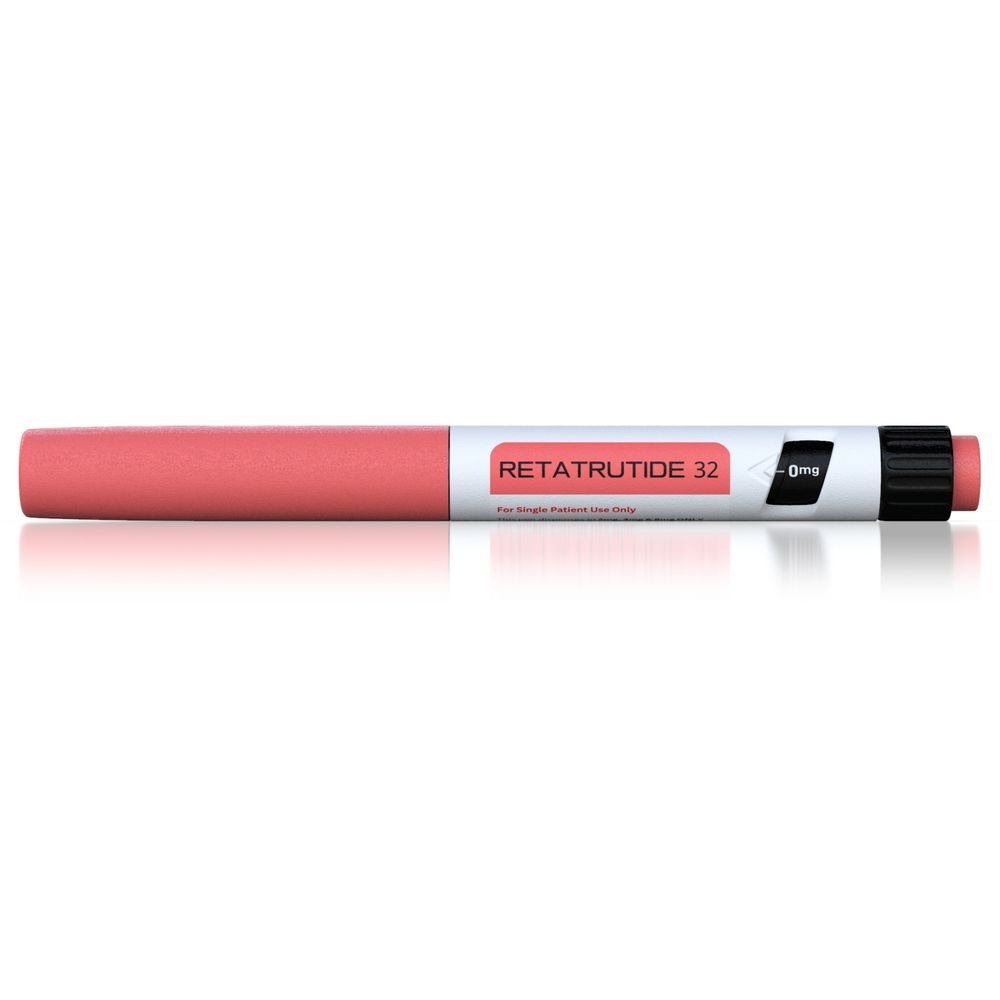
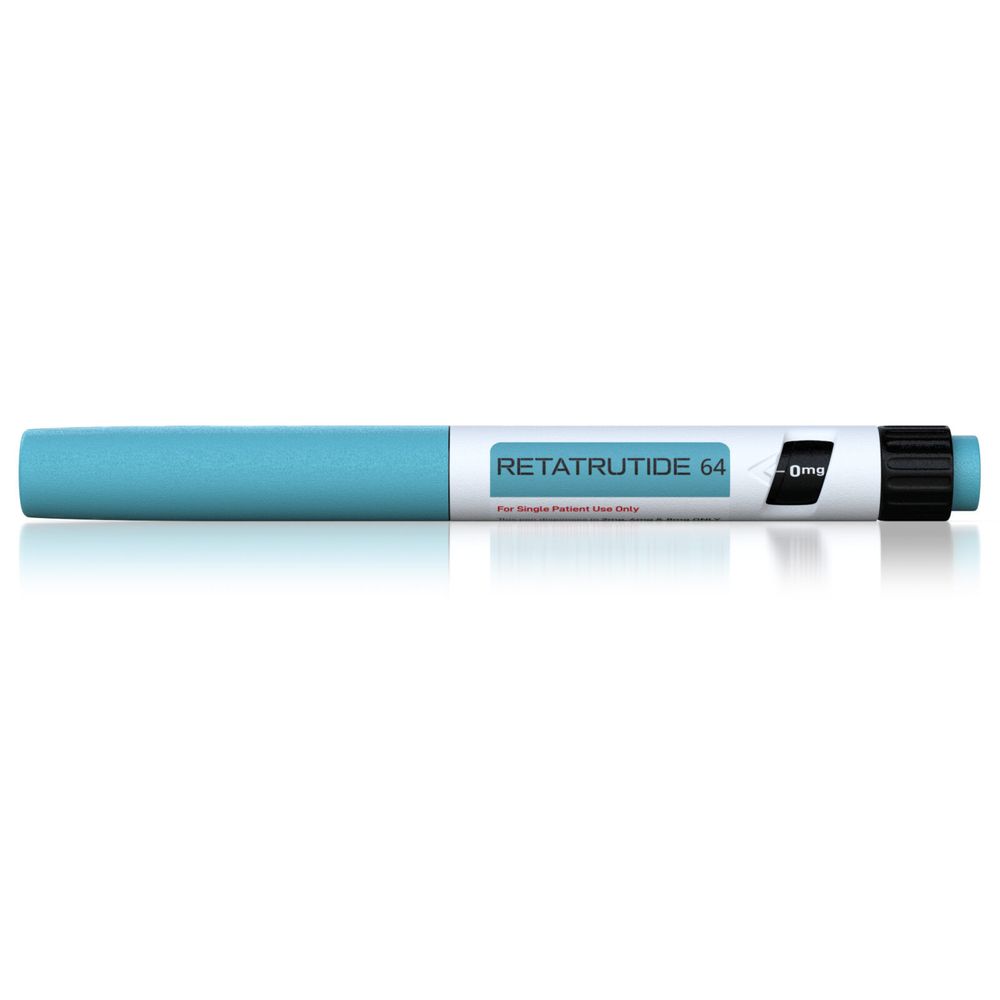
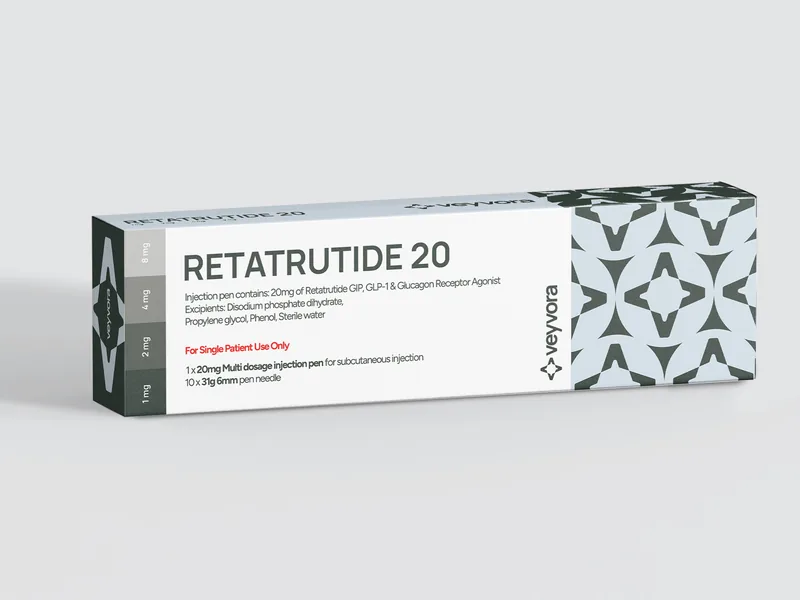
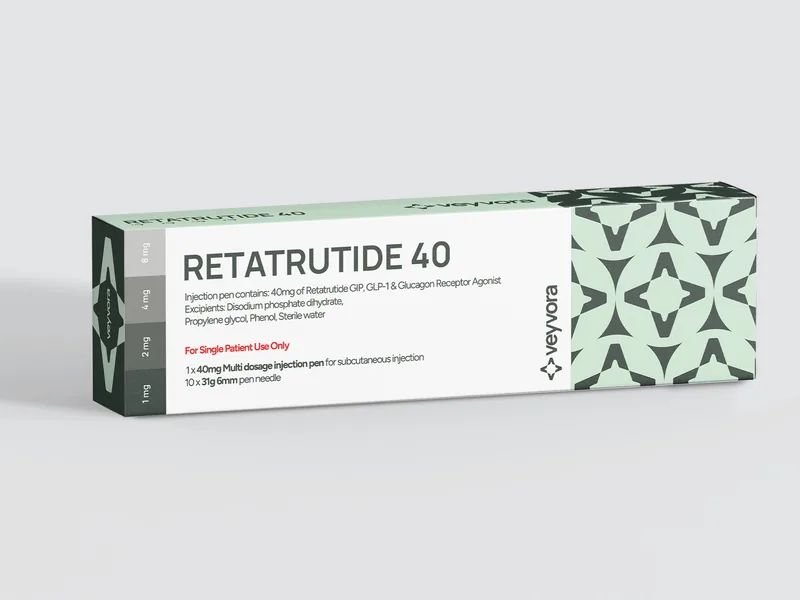
Two formats appear in our reviewed stores’ listings: freeze-dried powder in vials, which need reconstituting and allow the researcher to choose the concentration, and pre-filled pens, which need no reconstitution but fix the content per pen and are harder to verify, because the certificate must cover a finished, filled product.
Neither is a licensed pen: no retatrutide pen is an approved medicine. We have seen a small number of combination products, such as retatrutide with tirzepatide or with cagrilintide. No combination has been tested as a product.
- Vial (lyophilised) · 168 listings
- Pen (pre-filled) · 81 listings
Where to buy Retatrutide


Retatrutide from other brands
Products we found at several stores we review, with the number of stores selling each.
- HD Labs
- 32mgready-to-use pen (6 stores)32mgpowder (vial or mix-yourself pen) (7 stores)64mgpowder (vial or mix-yourself pen) (5 stores)
- UPA
- 30mgready-to-use pen (6 stores)30mgpowder (vial or mix-yourself pen) (8 stores)60mgpowder (vial or mix-yourself pen) (4 stores)
- Noventra Pharma
- 32mgready-to-use pen (6 stores)32mgpowder (vial or mix-yourself pen) (6 stores)64mgpowder (vial or mix-yourself pen) (4 stores)
- Body Pharm
- 64mgpowder (vial or mix-yourself pen) (4 stores)
- Keifei
- 32.5mgpowder (vial or mix-yourself pen) (3 stores)
How we test and rate vendors
We review stores against their own product, policy and checkout pages and score them on a published rubric: value, range, delivery, returns, support and payment, with adjustments for certificates of analysis and red flags. We do not lab-test vials ourselves. Our full method → Our guide to how peptides are tested and how to read a COA explains what a certificate should show.
Our verdict
The science on retatrutide is strong for an investigational drug: large, randomised trials published in major journals report substantial weight loss and metabolic improvements, with side effects typical of its class. But it is still unapproved, long-term safety is unknown, and none of that evidence applies to the research-grade products sold online.
The real risk for a buyer is quality, not chemistry. Most retatrutide listings we reviewed do not show a certificate of analysis on the product page. If you research this compound, only consider stores that publish a batch-specific, checkable certificate — and treat the absence of one as a reason not to buy. Our country pages show which reviewed stores do.
Frequently asked questions
Is retatrutide the same as tirzepatide or Mounjaro?
No. Both come from Eli Lilly, but tirzepatide (sold as Mounjaro and Zepbound) acts on two receptors, GIP and GLP-1, and is an approved medicine. Retatrutide also acts on the glucagon receptor and is still in clinical trials.
What weight-loss figures were reported in the phase 2 and TRIUMPH trials?
In the 48-week phase 2 obesity trial, average weight loss was 22.8% on 8 mg and 24.2% on 12 mg, versus 2.1% on placebo. In the phase 3 TRIUMPH-1 trial it was 17.6% on 4 mg, 23.7% on 9 mg and 25.0% on 12 mg, versus 3.9% on placebo. These are averages from supervised trials of the pharmaceutical product.
How was retatrutide given in the trials, and how often?
As an injection under the skin once a week, with the dose increased gradually over the first weeks. Its half-life of about six days allows weekly dosing.
What side effects have been reported so far?
Mainly gastrointestinal: nausea, diarrhoea, vomiting and constipation, usually mild to moderate and most common while the dose was being increased. Heart rate also rose with dose in phase 2. Long-term safety data are still limited.
Where can I buy retatrutide?
Retatrutide is not an approved medicine, so it is not available on prescription. Research-chemical stores list it for laboratory research only. Our country where-to-buy pages show which stores we have reviewed list it, and which publish a batch certificate of analysis. Specktra is a reviewer, not a seller.
References and further reading
- Jastreboff AM et al. Triple-hormone-receptor agonist retatrutide for obesity — a phase 2 trial. N Engl J Med 2023 PMID 37366315
- Jastreboff AM et al. Retatrutide, a triple hormone receptor agonist, for treatment of obesity (TRIUMPH-1). N Engl J Med 2026 PMID 42814954
- Rosenstock J et al. Retatrutide for people with type 2 diabetes: a randomised, double-blind phase 2 trial. Lancet 2023 PMID 37385280
- Sanyal AJ et al. Retatrutide for metabolic dysfunction-associated steatotic liver disease: a phase 2a substudy. Nat Med 2024 PMID 38858523
- Ruotolo G et al. Retatrutide-associated improvements in cardiovascular risk biomarkers. Diabetes Obes Metab 2026 PMID 42608321
- ClinicalTrials.gov. TRIUMPH-5: retatrutide compared with tirzepatide in adults with obesity (NCT06662383)
- US FDA — Drugs@FDA database
- Urva S et al. LY3437943 in people with type 2 diabetes: a phase 1b multiple-ascending-dose study. Lancet 2022 PMID 36354040
- Coskun T et al. LY3437943, a novel triple glucagon, GIP, and GLP-1 receptor agonist: from discovery to clinical proof of concept. Cell Metab 2022 PMID 35985340
- Giblin K et al. Retatrutide for obesity, obstructive sleep apnea and knee osteoarthritis: rationale and design of TRIUMPH. Diabetes Obes Metab 2026 PMID 41090431
- European Medicines Agency — medicines search
- UK MHRA — products database
- World Anti-Doping Agency — Prohibited List (S0 Non-approved substances)
- Coskun T et al. Effects of retatrutide on body composition in people with type 2 diabetes. Lancet Diabetes Endocrinol 2025 PMID 40609566
- Pearson MJ et al. Retatrutide and lipid and metabolite profiles. J Clin Endocrinol Metab 2026 PMID 42135195
- Kanu C et al. Appetite, eating attitudes and eating behaviours during treatment with retatrutide. Diabetes Obes Metab 2025 PMID 40916752
- Schnitzer TJ et al. Retatrutide once weekly in adults with knee osteoarthritis pain and obesity (TRIUMPH-4 and TRIUMPH-1-OA). N Engl J Med 2026 PMID 43001755
- Heerspink HJL et al. Rationale, design and baseline characteristics of TRANSCEND-CKD. Nephrol Dial Transplant 2026 PMID 41160422
- Bellido V et al. Retatrutide in adults with obesity and type 2 diabetes (TRIUMPH-2). Lancet 2026 PMID 42810372
- Bajaj HS et al. Efficacy and safety of retatrutide in type 2 diabetes (TRANSCEND-T2D-1). Lancet 2026 PMID 42250575
- ClinicalTrials.gov — registered retatrutide trials
Plus the 14 human studies listed and linked above.