Affiliate disclosure and editorial independence
Specktra is an independent review site, not a seller. Some links to stores are affiliate links: we may earn a commission if you buy, at no cost to you. Ratings follow our published rubric, except Featured Stores' scores, which Specktra sets and notes on their reviews. Featured Stores (Specktra Partners in a paid placement) are placed first in the buying guides and labelled. This page is research information, not medical advice. Full disclosure · How we test and rate vendors
About this page
- Written by
- Specktra Editorial
- Edited and approved by
- Specktra Editorial
- Last updated
- 18 November 2026
- Fact-checked
- 18 November 2026
- Sources
- Primary studies and trial registries, regulator pages, and our own checks of store pages. See references below.
Tirzepatide at a glance
- ALSO KNOWN AS
- LY3298176, Mounjaro, Zepbound
- CLASS
- Metabolic
- WHAT IT IS
- GIP / GLP-1 dual receptor agonist
- MECHANISM
- Dual agonist at the GIP and GLP-1 receptors.
- RESEARCH STAGE
- Licensed medicine in some countries
- ROUTES STUDIED
- Subcutaneous
- HUMAN STUDIES ON FILE
- 11
- FORMATS SEEN AT REVIEWED STORES
- Vial (lyophilised), Pen (pre-filled)
- CAS
- 2023788-19-2
- MOLECULAR WEIGHT
- ≈ 4814 Da
What is Tirzepatide?
Tirzepatide is a synthetic peptide developed by Eli Lilly and Company, first described under the code name LY3298176. It is a single molecule that activates two gut-hormone receptors, GIP and GLP-1, which is why it is called a “dual agonist”. A fatty-acid side chain makes it last long enough in the body for once-weekly injection.
Unlike most compounds on this site, tirzepatide is a licensed prescription medicine. Lilly sells it as Mounjaro, for type 2 diabetes and, in some regions, weight management, and in the United States also as Zepbound, for weight management and obstructive sleep apnoea. The licensed products are ready-to-use injection pens and, in the United States, single-dose vials.
Products sold online as research-grade “tirzepatide”, usually freeze-dried powder in a vial and sometimes a pre-filled pen, are a different thing. They are not Mounjaro or Zepbound, they are not made or checked by Lilly, and their identity and purity are unverified unless a credible batch certificate shows otherwise.
How does Tirzepatide work?
Tirzepatide mimics two incretin hormones, which the gut releases after a meal:
- GLP-1 (glucagon-like peptide-1) increases insulin release when blood sugar is high, slows stomach emptying and reduces appetite.
- GIP (glucose-dependent insulinotropic polypeptide) also increases insulin release when blood sugar is high. Lilly developed tirzepatide to test whether adding GIP activity improves on GLP-1 drugs alone.
The expected effects are lower blood sugar and a smaller appetite. The MHRA describes it as working by regulating appetite, so that people feel full, less hungry and have fewer food cravings.
Mechanism explains why a drug might work. It does not show that it does. The trial results below are the evidence.
A dual agonist: how tirzepatide targets GIP and GLP-1
Tirzepatide is “unimolecular”: one peptide acts at both the GIP and GLP-1 receptors, rather than two drugs given together. That puts it between semaglutide, which acts on the GLP-1 receptor only, and retatrutide, an investigational drug that adds a third target, the glucagon receptor.
Laboratory work by Lilly scientists (Willard et al., JCI Insight 2020) found that, at doses used clinically, tirzepatide engages the GIP receptor more than the GLP-1 receptor, which the authors called an “imbalanced” profile. At the GLP-1 receptor it behaved differently from natural GLP-1, favouring one signalling pathway over another. The authors suggested this may contribute to its effects. These are cell and islet studies; how much each feature matters in people is not settled.
A brief history of Tirzepatide
Tirzepatide came out of Eli Lilly’s incretin research. Its discovery and first human studies, under the code LY3298176, were published in 2018 (Coskun et al., Mol Metab). In the same year a 26-week phase 2 trial in type 2 diabetes (Frias et al., Lancet 2018) reported larger falls in blood sugar and weight than with dulaglutide, an established GLP-1 drug.
Lilly then ran two large phase 3 programmes: SURPASS in type 2 diabetes, which began reporting in 2021, and SURMOUNT in obesity, whose first trial was published in 2022.
The US FDA approved tirzepatide as Mounjaro for type 2 diabetes on 13 May 2022. The European Union authorised Mounjaro in September 2022. The FDA approved it for chronic weight management, as Zepbound, in November 2023.
As demand for these medicines grew, research-chemical stores began listing products labelled tirzepatide. Those products have no connection to Lilly.
What the research says
Tirzepatide has a large evidence base, almost all of it from trials run and funded by Eli Lilly. It includes randomised phase 3 trials in type 2 diabetes (SURPASS) and obesity (SURMOUNT), a cardiovascular outcomes trial with more than 13,000 participants, and trials in heart failure, sleep apnoea and liver disease. Several of these supported its approval as a medicine.
Animal and laboratory work is mostly from the discovery stage and explains how the molecule was designed.
What this evidence does not cover is the research-grade product sold online. Every trial used Lilly’s manufactured drug.
11 published human studies of Tirzepatide on file, each summarised and linked below. Jump to the studies, or see every compound's studies in our human study index.
The key human trials are randomised, with weekly injections under the skin. Most compared tirzepatide with placebo; some compared it with other diabetes or obesity drugs:
- Phase 2, type 2 diabetes (Frias et al., Lancet 2018): 318 adults, 26 weeks, versus placebo and dulaglutide.
- SURPASS-1 (Rosenstock et al., Lancet 2021): 478 adults with type 2 diabetes, 40 weeks, versus placebo.
- SURPASS-2 (Frías et al., NEJM 2021): 1,879 adults with type 2 diabetes, 40 weeks, versus semaglutide 1 mg.
- SURMOUNT-1 (Jastreboff et al., NEJM 2022): 2,539 adults with obesity or overweight and no diabetes, 72 weeks.
- SURMOUNT-5 (Aronne et al., NEJM 2025): 751 adults with obesity, 72 weeks, versus semaglutide.
- SUMMIT (Packer et al., NEJM 2025): 731 people with obesity and heart failure with preserved ejection fraction.
- SURPASS-CVOT (Nicholls et al., NEJM 2025): 13,299 people with type 2 diabetes and cardiovascular disease, versus dulaglutide.
Each programme is summarised below, and each study is listed with a link to the paper.
Animal and laboratory findings
The main preclinical data come from Lilly’s discovery work. In cell studies, tirzepatide activated both GIP and GLP-1 receptor signalling. In mice it improved glucose tolerance through both receptors, and with repeated dosing it reduced body weight and food intake more than a GLP-1 receptor agonist did (Coskun et al., 2018). Later laboratory work described how it engages the two receptors differently (Willard et al., 2020).
These are animal and laboratory findings. They explain why the molecule was taken into human trials, but they are not evidence of what it does in people. For tirzepatide, the human trials are far stronger evidence.
What we still do not know
- Very long-term use. The longest published results run to about four years in type 2 diabetes (SURPASS-CVOT) and about three years in obesity (SURMOUNT-1 extension). Effects over decades are unknown.
- Hard outcomes in obesity without diabetes. Whether tirzepatide reduces heart attacks, strokes and deaths in people with obesity but no diabetes is being tested in SURMOUNT-MMO, which has not reported. In type 2 diabetes, SURPASS-CVOT showed it was not worse than dulaglutide, but did not show it was better. The FDA added a cardiovascular risk-reduction indication for Mounjaro in August 2026 on the basis of this trial.
- Stopping treatment. In SURMOUNT-4, people switched to placebo regained much of the weight they had lost. How best to keep weight off after stopping is not settled.
- Populations. Trial participants were selected adults, plus children and teenagers in one diabetes trial. Data in pregnancy, frail older adults and many medical conditions are limited.
- Research-grade products. No study has tested the vials and pens sold by research-chemical stores. Their identity, dose and purity are unknown unless a credible batch certificate shows otherwise.
The SURPASS programme in type 2 diabetes
SURPASS is Lilly’s phase 3 programme in type 2 diabetes. HbA1c, the main outcome, is a measure of average blood sugar over about three months. Doses of 5, 10 and 15 mg once a week were tested.
- SURPASS-1 (478 adults, 40 weeks): tirzepatide alone versus placebo. HbA1c fell by 1.87 to 2.07 percentage points, against a small rise on placebo, with weight loss of 7.0 to 9.5 kg.
- SURPASS-2 (1,879 adults, 40 weeks): versus semaglutide 1 mg. See below.
- SURPASS-3 (1,444 adults, 52 weeks): versus daily insulin degludec. HbA1c fell by 1.93 to 2.37 points on tirzepatide versus 1.34 on degludec. Weight fell by 7.5 to 12.9 kg on tirzepatide and rose by 2.3 kg on insulin.
- SURPASS-4 (2,002 adults with high cardiovascular risk): versus insulin glargine. At 52 weeks HbA1c fell by 2.43 points on 10 mg and 2.58 on 15 mg, versus 1.44 on glargine, with less low blood sugar.
- SURPASS-5 (475 adults already on insulin glargine, 40 weeks): adding tirzepatide lowered HbA1c by 2.11 to 2.40 points, versus 0.86 with placebo.
- SURPASS-6 (1,428 adults on basal insulin, 52 weeks): versus mealtime insulin lispro. HbA1c fell by 2.1 points on tirzepatide versus 1.1 on lispro, with weight loss instead of weight gain.
- SURPASS-PEDS (99 young people aged 10 to 17, 30 weeks): HbA1c fell by 2.23 points on tirzepatide, against a small rise on placebo.
Across the programme, the most common side effects were gastrointestinal and mostly mild to moderate.
SURPASS-2: tirzepatide versus semaglutide
SURPASS-2 (Frías et al., NEJM 2021) was the first head-to-head trial of tirzepatide against semaglutide. It was an open-label, 40-week trial in 1,879 adults with type 2 diabetes, comparing tirzepatide 5, 10 and 15 mg with semaglutide 1 mg once weekly.
HbA1c fell by 2.01, 2.24 and 2.30 percentage points on the three tirzepatide doses, versus 1.86 on semaglutide. All three doses were statistically better than semaglutide, by 0.15 to 0.45 points. Tirzepatide also produced more weight loss, by 1.9 to 5.5 kg more than semaglutide depending on dose. Gastrointestinal side effects were broadly similar in both groups.
The comparison used semaglutide 1 mg, a diabetes dose. It does not show how tirzepatide compares with the higher semaglutide dose used for weight management. SURMOUNT-5, below, tested that.
The SURMOUNT trials for obesity, including SURMOUNT-5
SURMOUNT is Lilly’s phase 3 programme in obesity.
- SURMOUNT-1 (Jastreboff et al., NEJM 2022): 2,539 adults with obesity, or overweight with a weight-related condition, and no diabetes. After 72 weeks, average weight loss was 15.0% on 5 mg, 19.5% on 10 mg and 20.9% on 15 mg, versus 3.1% on placebo.
- SURMOUNT-2 (Garvey et al., Lancet 2023): 938 adults with obesity and type 2 diabetes. Weight loss at 72 weeks was 12.8% on 10 mg and 14.7% on 15 mg, versus 3.2% on placebo.
- SURMOUNT-3 (Wadden et al., Nat Med 2023): 579 adults who had already lost at least 5% with an intensive lifestyle programme. Tirzepatide produced a further 18.4% loss over 72 weeks; the placebo group regained 2.5%.
- SURMOUNT-4 (Aronne et al., JAMA 2024): after 36 weeks on tirzepatide, 670 adults had lost 20.9% on average. Those who continued lost a further 5.5% over the next year; those switched to placebo regained 14.0%.
- SURMOUNT-5 (Aronne et al., NEJM 2025): the head-to-head with semaglutide in 751 adults with obesity but no diabetes, each at the highest tolerated dose (semaglutide up to 2.4 mg). Weight loss at 72 weeks was 20.2% on tirzepatide versus 13.7% on semaglutide.
- SURMOUNT-MAINTAIN (Horn et al., Lancet 2026): after weight loss on tirzepatide, continuing the full dose, stepping down to 5 mg, or switching to placebo gave total weight changes at 112 weeks of 21.9%, 16.6% and 9.9% respectively.
In every trial the most common side effects were gastrointestinal, mostly mild to moderate and most frequent while the dose was being increased.
SURPASS-CVOT, SUMMIT and other outcome trials
- SURPASS-CVOT (Nicholls et al., NEJM 2025): 13,299 people with type 2 diabetes and established cardiovascular disease were given tirzepatide (up to 15 mg) or dulaglutide 1.5 mg, a GLP-1 drug already shown to reduce cardiovascular events. Heart attack, stroke or cardiovascular death occurred in 12.2% on tirzepatide and 13.1% on dulaglutide. Tirzepatide met the test for being no worse than dulaglutide, but the trial did not show it was better. Gastrointestinal side effects were more common on tirzepatide.
- SUMMIT (Packer et al., NEJM 2025): 731 people with obesity and heart failure with preserved ejection fraction, followed for a median of two years. Cardiovascular death or worsening heart failure occurred in 9.9% on tirzepatide versus 15.3% on placebo, driven by fewer worsening heart-failure events; there were too few cardiovascular deaths to draw conclusions. Health status, measured with a heart-failure questionnaire, also improved more on tirzepatide.
- SURPASS-4 looked at cardiovascular safety against insulin glargine and found no increase in major cardiovascular events.
- SURMOUNT-MMO is testing whether tirzepatide reduces heart attacks, strokes, heart-failure events and deaths in about 15,000 adults with obesity or overweight, without diabetes, and with or at risk of cardiovascular disease. Only its design has been published.
SURMOUNT-OSA and SYNERGY-NASH: sleep apnoea and liver disease
- SURMOUNT-OSA (Malhotra et al., NEJM 2024): two 52-week trials in adults with obesity and moderate-to-severe obstructive sleep apnoea, one in people not using a breathing machine (PAP) and one in people who were. Tirzepatide reduced breathing interruptions by about 20 and 24 more events per hour than placebo, and also improved body weight, oxygen levels, an inflammation marker and blood pressure. The US FDA approved Zepbound for moderate-to-severe sleep apnoea in adults with obesity in December 2024.
- SYNERGY-NASH (Loomba et al., NEJM 2024): a phase 2 trial in 190 people with biopsy-confirmed metabolic dysfunction-associated steatohepatitis (MASH, an inflammatory fatty-liver disease) and moderate or severe scarring. After 52 weeks, MASH resolved without worsening scarring in 44% to 62% on tirzepatide, versus 10% on placebo. The authors noted that larger and longer trials are needed.
These are studied uses. Whether they are licensed uses depends on the regulator and the country; check the regulator links in the legal section.
Potential benefits studied in research
Outcomes that trials have actually measured include:
- Lower HbA1c (a measure of average blood sugar) in type 2 diabetes, including against placebo, insulin and semaglutide 1 mg.
- Body-weight reduction in adults with obesity, with and without type 2 diabetes.
- In SURMOUNT-1 participants with prediabetes, fewer people developed type 2 diabetes over three years: 1.3% on tirzepatide versus 13.3% on placebo.
- Fewer breathing interruptions during sleep in obstructive sleep apnoea.
- Resolution of fatty-liver inflammation in more participants than placebo in a phase 2 trial.
- Fewer worsening heart-failure events in people with obesity and heart failure with preserved ejection fraction.
These are average results from controlled trials of the manufacturer’s product, in selected participants under medical supervision. They are not promises of what anyone else will experience, and they say nothing about research-grade products.
How long results took to appear in studies
In the phase 2 diabetes trial, blood-sugar and weight results at 12 weeks were similar to those at 26 weeks. In the obesity trials, weight loss built up over many months. SURMOUNT-1 included a 20-week period of gradual dose increases and reported its main results at 72 weeks. In the 36-week open-label start of SURMOUNT-4, participants lost 20.9% on average.
Over the longer term, people with prediabetes in SURMOUNT-1 who were treated for about three years had lost 12.3% to 19.7% of their starting weight on average. Because doses were increased gradually at the start of each trial, early results reflect lower doses.
Dosing as studied in research
In the phase 3 trials, tirzepatide was injected once a week at 5, 10 or 15 mg. Trials reached those doses gradually: in SURPASS-3 and SURPASS-5 the starting dose was 2.5 mg, increased by 2.5 mg every four weeks until the assigned dose was reached, and SURMOUNT-1 used a 20-week escalation period. Some later trials, such as SURMOUNT-5, used the highest dose each participant could tolerate, 10 or 15 mg. Its half-life of about five days is what allows weekly dosing.
These are doses used in supervised clinical trials of the manufactured product. They are not a recommended or personalised dose. For the licensed medicine, the dose is set by the prescriber and the product label. None of this translates to research-grade vials, whose actual content is unknown without a credible batch certificate.
- CADENCE
- Once weekly, subcutaneous (as in the clinical trials)
- HALF-LIFE
- ≈ 5 days
Doses as used in studies, for research context only — not a dosing recommendation. Tirzepatide dosing in research →
How Tirzepatide is administered
In every published trial, tirzepatide was given as a once-weekly injection under the skin (subcutaneous). The licensed medicines are injection solutions in pre-filled pens and, in the United States, single-dose vials, given once a week. We know of no licensed oral or nasal form.
Research-chemical stores mostly sell freeze-dried powder in vials, which must be reconstituted, and some sell pre-filled pens. Neither is a licensed Mounjaro or Zepbound product.
Routes used in studies: Subcutaneous.
Side effects and safety
Across the trials, the most common side effects were gastrointestinal: nausea, diarrhoea, vomiting, constipation and reduced appetite. They were mostly mild to moderate, related to dose, and most frequent while the dose was being increased. In SURMOUNT-1, side effects led 4.3% to 7.1% of people on tirzepatide to stop treatment, versus 2.6% on placebo.
Low blood sugar was uncommon when tirzepatide was used without insulin or a sulfonylurea. In SURPASS-4 it was more common in people also taking a sulfonylurea.
The FDA lists warnings for pancreatitis, gallbladder problems, low blood sugar, acute kidney injury, diabetic eye disease in people with type 2 diabetes, and suicidal behaviour or thinking. Tirzepatide causes thyroid C-cell tumours in rats; whether it does so in people is unknown.
Known interactions include a higher risk of low blood sugar with insulin or sulfonylureas, and an effect on how well the contraceptive pill works, which led the MHRA to advise using a non-oral method of contraception as well, especially for four weeks after starting and after each dose increase.
Research-grade products add risks the trials cannot describe: wrong dose, contamination, or a different substance altogether.
- Nausea
- Diarrhoea
- Vomiting
- Constipation
- Reduced appetite
- Injection-site reactions
Reported in studies — not a safety assessment for human use. All reported Tirzepatide side effects →
Who should not use Tirzepatide
The licensed product labels set out who should not use tirzepatide. From the regulators’ published summaries:
- People with a personal or family history of medullary thyroid cancer or multiple endocrine neoplasia type 2 (FDA).
- People who have had a severe allergic reaction to tirzepatide or its ingredients (FDA).
- People who are pregnant, trying to get pregnant or breastfeeding (MHRA).
- Use alongside another GLP-1 drug, or Zepbound alongside Mounjaro (FDA).
- It has not been studied in people with a history of pancreatitis or severe gastrointestinal disease, including severe gastroparesis (FDA).
- Licensed use is in adults, plus children from 10 years with type 2 diabetes in the EU (EMA) and the United States (FDA).
Anyone considering an obesity or diabetes medicine should speak to a qualified doctor. This page is not a substitute for medical advice or a product label.
Tirzepatide versus semaglutide versus retatrutide
The three compounds act on an increasing number of receptors: semaglutide on GLP-1; tirzepatide on GIP and GLP-1; retatrutide on GIP, GLP-1 and glucagon.
Semaglutide (Ozempic, Wegovy) and tirzepatide (Mounjaro, and Zepbound in the United States) are licensed medicines. Retatrutide is still in clinical trials.
Tirzepatide has two published head-to-head trials against semaglutide: SURPASS-2 against semaglutide 1 mg in type 2 diabetes, and SURMOUNT-5 against semaglutide up to 2.4 mg in obesity (20.2% versus 13.7% weight loss at 72 weeks). No head-to-head trial against retatrutide has been published (TRIUMPH-5 is under way), and comparing averages across different trials and populations is unreliable. The side-by-side pages go into the detail.
Mounjaro: diabetes and weight-management registrations
Tirzepatide is a prescription-only medicine in the United States, the European Union and the United Kingdom. The approvals drew on Lilly’s SURPASS and SURMOUNT trials.
- United States: the FDA approved Mounjaro for type 2 diabetes on 13 May 2022, Zepbound for chronic weight management on 8 November 2023, Zepbound for moderate-to-severe obstructive sleep apnoea in adults with obesity on 20 December 2024, Mounjaro for type 2 diabetes in children from 10 years on 19 December 2025, and Mounjaro to reduce the risk of cardiovascular death, heart attack and stroke in adults with type 2 diabetes and high cardiovascular risk in August 2026.
- European Union: Mounjaro received an EU marketing authorisation on 15 September 2022. The EMA lists it for type 2 diabetes in adults and children from 10 years, and for weight management in adults.
- United Kingdom: the MHRA authorised Mounjaro for weight loss and weight management in adults on 8 November 2023, in addition to its diabetes use.
Other countries have their own regulators and decisions; the country where-to-buy pages carry local detail. A registration covers the manufacturer’s licensed product only. It does not cover research-grade tirzepatide.
Stacking and combinations
Some stores list combination products that pair tirzepatide with semaglutide or retatrutide in one pen or vial. We know of no published trial of any such combination. Tirzepatide already acts on the GLP-1 receptor, so adding semaglutide or retatrutide duplicates that pathway rather than adding a new one, and would be expected to add to gastrointestinal side effects.
The FDA’s announcement for Zepbound states that it should not be used with Mounjaro or a GLP-1 receptor agonist, and that the safety and effectiveness of combining it with other weight-management medicines have not been established. Any “stack” involving tirzepatide is untested.
Storage, reconstitution and handling
Research-grade tirzepatide is usually sold as a freeze-dried (lyophilised) powder in a sealed vial; some stores sell pre-filled pens. As a general rule for peptides, unopened powder is kept cold and away from light, and anything reconstituted is kept refrigerated and used within the period the batch documentation states. Follow the storage conditions on the product’s own certificate of analysis; they vary by batch and format.
Licensed pens come with their own storage instructions in the product leaflet. This page does not give reconstitution volumes or self-injection instructions. Research-grade products are sold for laboratory research only.
Legal and regulatory status
Tirzepatide is a licensed, prescription-only medicine in the United States, the European Union and the United Kingdom, as Mounjaro and, in the United States, Zepbound. Check the regulator pages linked below for the current position. That licence covers the manufacturer’s product, supplied on prescription. It does not cover research-grade tirzepatide, which is unlicensed. Its legal status depends on each country’s rules for unlicensed medicines and research chemicals, which differ and change.
Stores sell it as a research chemical “not for human consumption”. That label does not make human use legal or safe.
Fakes are a known problem. In February 2026 the MHRA warned about fake Mounjaro pens dispensed by a pharmacy. Testing found tirzepatide in them, but the MHRA could not confirm the contents were sterile.
Athletes should check the current World Anti-Doping Agency Prohibited List and their sport’s rules. Country-specific detail is on each country’s where-to-buy page.
Vial versus pen versus blend
Two formats appear in our reviewed stores’ tirzepatide listings. About two in three are freeze-dried powder in vials, which need reconstituting and let the researcher choose the concentration. About one in three are pre-filled pens, which need no reconstitution but fix the content per pen and are harder to verify, because the certificate must cover a finished, filled product.
We have also seen a small number of combination products that pair tirzepatide with semaglutide or retatrutide. These are untested as combinations.
None of these is a licensed product. Licensed Mounjaro and Zepbound pens and vials are prescription medicines and are not sold by research-chemical stores.
- Vial (lyophilised) · 119 listings
- Pen (pre-filled) · 71 listings
Where to buy Tirzepatide
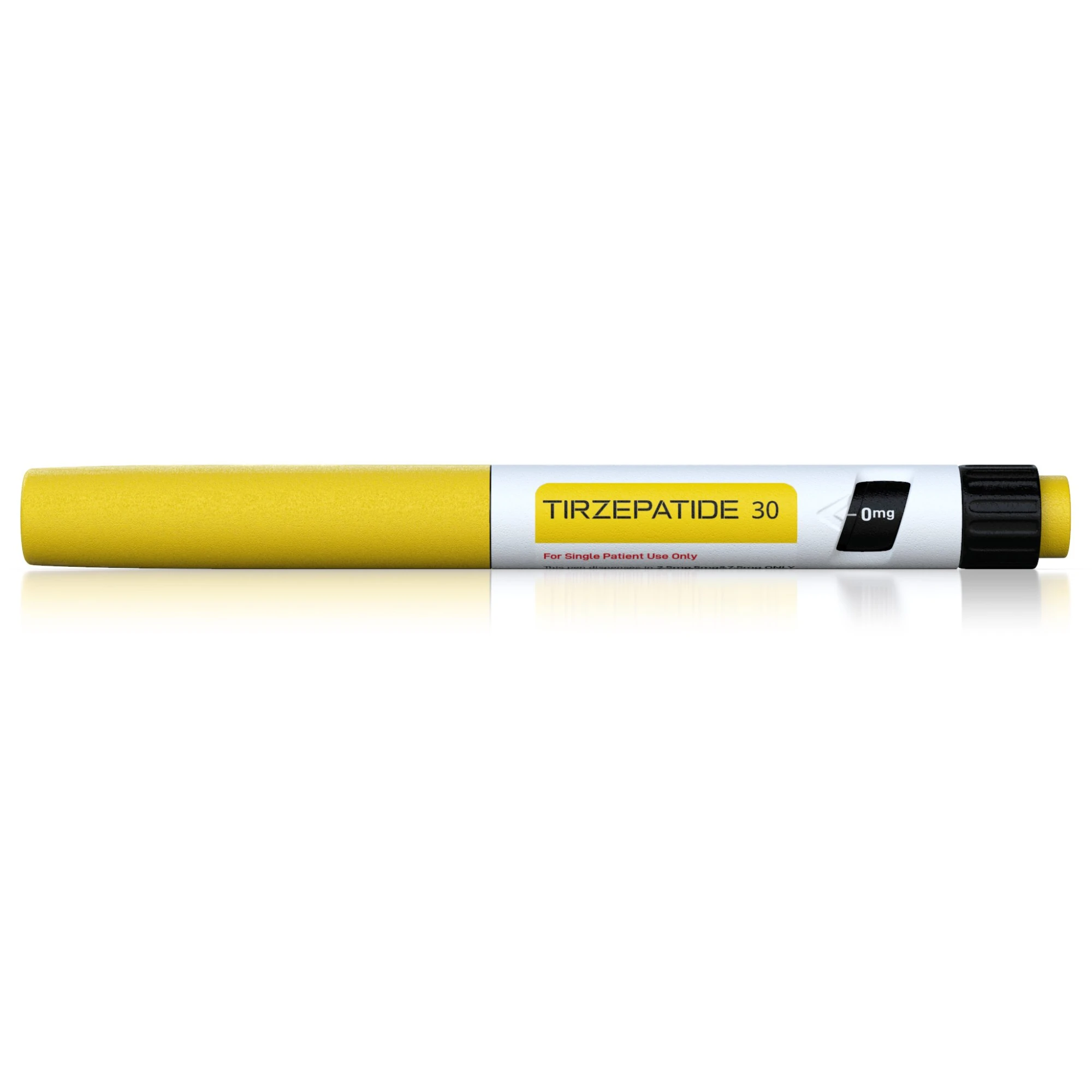


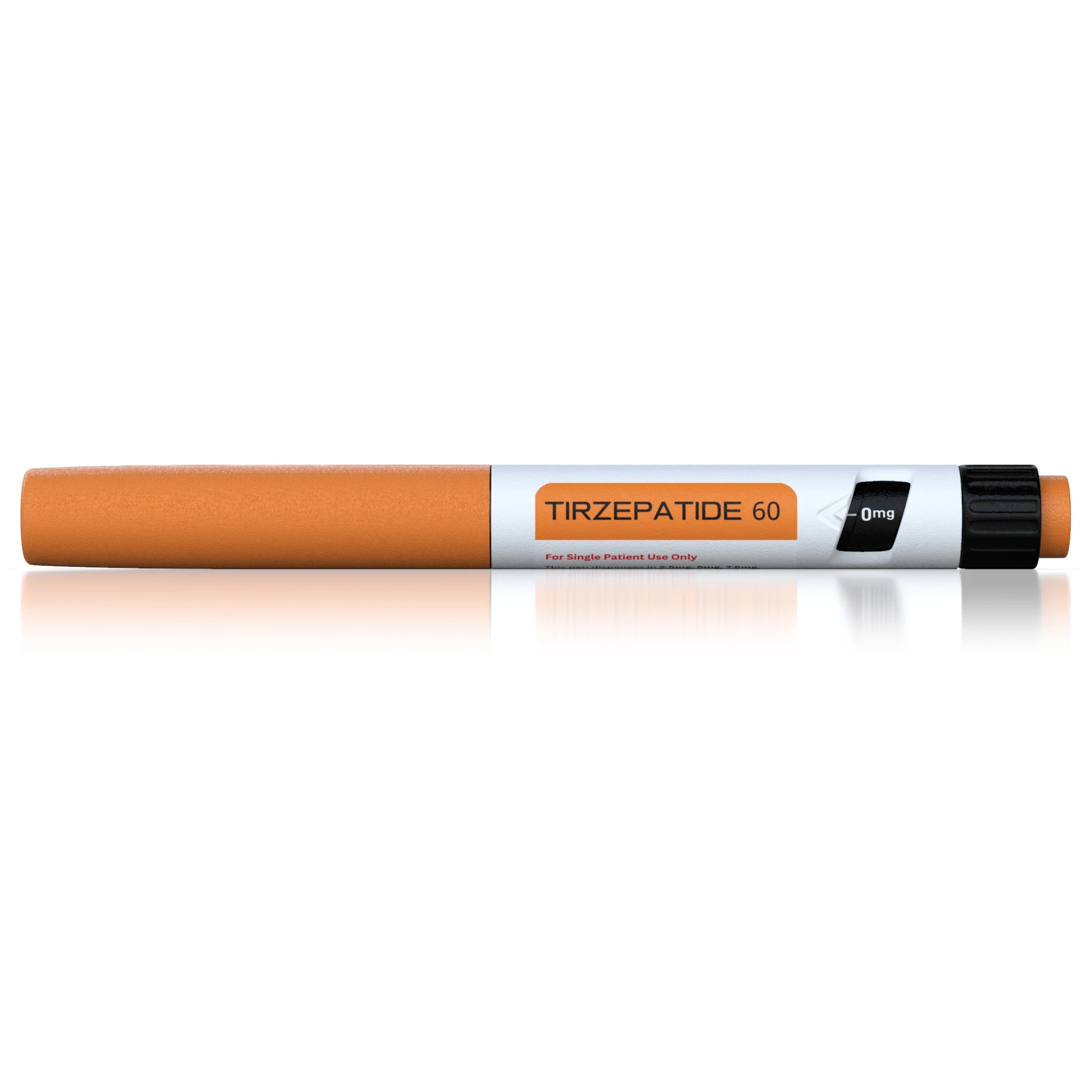
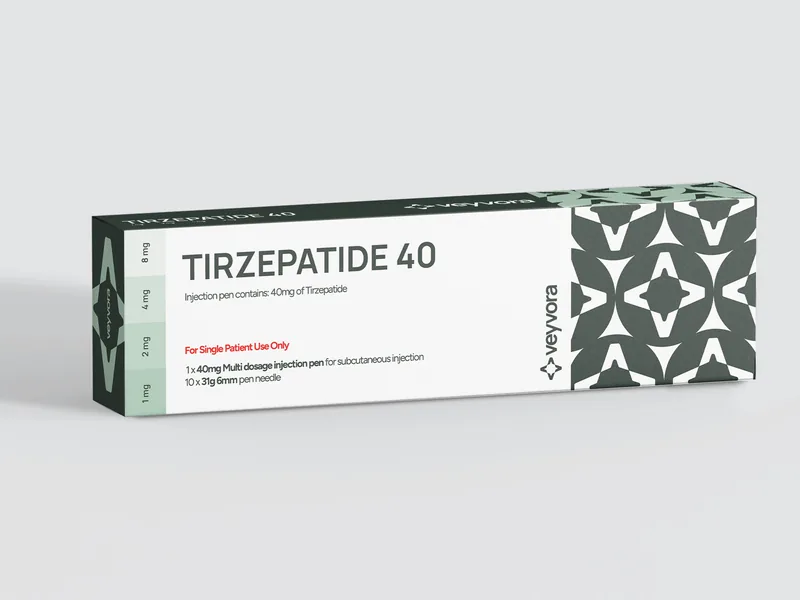
Tirzepatide from other brands
Products we found at several stores we review, with the number of stores selling each.
- HD Labs
- 30mgready-to-use pen (6 stores)30mgpowder (vial or mix-yourself pen) (8 stores)60mgpowder (vial or mix-yourself pen) (7 stores)
- Noventra Pharma
- 30mgready-to-use pen (4 stores)30mgpowder (vial or mix-yourself pen) (6 stores)60mgpowder (vial or mix-yourself pen) (4 stores)
- UPA
- 30mgready-to-use pen (5 stores)30mgpowder (vial or mix-yourself pen) (5 stores)60mgpowder (vial or mix-yourself pen) (3 stores)
- iPharma
- 30mgready-to-use pen (4 stores)30mgpowder (vial or mix-yourself pen) (3 stores)
How we test and rate vendors
We review stores against their own product, policy and checkout pages and score them on a published rubric: value, range, delivery, returns, support and payment, with adjustments for certificates of analysis and red flags. We do not lab-test vials ourselves. Our full method → Our guide to how peptides are tested and how to read a COA explains what a certificate should show.
Our verdict
The science on tirzepatide is strong. It is a licensed medicine backed by large randomised trials in type 2 diabetes and obesity, head-to-head trials against semaglutide, and a cardiovascular outcomes trial, with side effects typical of its class. But that evidence applies to the manufacturer’s product, used on prescription. It does not apply to research-grade products sold online.
For a buyer, the real risk is quality, not chemistry. Fewer than one in five of the tirzepatide listings we reviewed showed a certificate of analysis on the product page. If you research this compound, only consider stores that publish a batch-specific, checkable certificate, and treat the absence of one as a reason not to buy. Our country pages show which reviewed stores do.
Frequently asked questions
Is tirzepatide the same as Mounjaro?
Tirzepatide is the active ingredient in Eli Lilly's licensed medicines Mounjaro and, in the United States, Zepbound. Research-grade products labelled tirzepatide are not Mounjaro: they are not made or checked by Lilly, and their identity and purity are unverified unless a credible batch certificate shows otherwise.
Is Mounjaro registered, and do I need a prescription?
Mounjaro is licensed by the US FDA, the European Medicines Agency and the UK MHRA, and is prescription-only in each. The position in other countries depends on the local regulator; our country pages carry local detail. Only a qualified prescriber can decide whether it is suitable for you.
How did tirzepatide compare with semaglutide in SURPASS-2 and SURMOUNT-5?
In SURPASS-2, in type 2 diabetes, all tirzepatide doses lowered HbA1c more than semaglutide 1 mg (by 0.15 to 0.45 points) and produced more weight loss. In SURMOUNT-5, in obesity without diabetes, average weight loss at 72 weeks was 20.2% on tirzepatide versus 13.7% on semaglutide, each at the highest tolerated dose.
What doses were studied, and how was the dose increased in the trials?
Phase 3 trials used 5, 10 or 15 mg once a week. The trials started lower and increased the dose gradually, for example from 2.5 mg in steps every four weeks. These are trial designs, not a recommended dose. For the licensed medicine, the dose is set by the prescriber and the label.
What are the most common side effects of tirzepatide?
Mainly gastrointestinal: nausea, diarrhoea, vomiting, constipation and reduced appetite, usually mild to moderate and most common while the dose was being increased. Regulators also list warnings including pancreatitis, gallbladder problems and low blood sugar when used with insulin or sulfonylureas.
Is Mounjaro available, and how does it differ from research-grade tirzepatide vials?
Mounjaro is a licensed medicine supplied on prescription in pre-filled pens (and, in the United States, vials). Research-grade tirzepatide is usually freeze-dried powder in a vial, sometimes a pen, sold for laboratory research only. It is unlicensed, not made by Lilly, and its content is unverified unless the store publishes a batch-specific certificate of analysis.
Where can I buy tirzepatide, and what do reviewed vendors charge?
The licensed medicine is available only on prescription. Research-chemical stores list tirzepatide for laboratory research only. Our country where-to-buy pages show which stores we have reviewed list it, what they charge and which publish a batch certificate of analysis. Specktra is a reviewer, not a seller.
References and further reading
- Coskun T et al. LY3298176, a novel dual GIP and GLP-1 receptor agonist for the treatment of type 2 diabetes mellitus: from discovery to clinical proof of concept. Mol Metab 2018 PMID 30473097
- Willard FS et al. Tirzepatide is an imbalanced and biased dual GIP and GLP-1 receptor agonist. JCI Insight 2020 PMID 32730231
- Jastreboff AM et al. Retatrutide, a triple hormone receptor agonist, for treatment of obesity (TRIUMPH-1). N Engl J Med 2026 PMID 42814954
- Rosenstock J et al. Efficacy and safety of tirzepatide in patients with type 2 diabetes (SURPASS-1): a phase 3 trial. Lancet 2021 PMID 34186022
- Jastreboff AM et al. Tirzepatide once weekly for the treatment of obesity (SURMOUNT-1). N Engl J Med 2022 PMID 35658024
- European Medicines Agency — Mounjaro (tirzepatide) EPAR
- US FDA — Drugs@FDA: Mounjaro (tirzepatide), NDA 215866
- Frías JP et al. Tirzepatide versus semaglutide once weekly in patients with type 2 diabetes (SURPASS-2). N Engl J Med 2021 PMID 34170647
- Jastreboff AM et al. Tirzepatide for obesity treatment and diabetes prevention (SURMOUNT-1, 3-year results). N Engl J Med 2025 PMID 39536238
- Malhotra A et al. Tirzepatide for the treatment of obstructive sleep apnea and obesity (SURMOUNT-OSA). N Engl J Med 2024 PMID 38912654
- Loomba R et al. Tirzepatide for metabolic dysfunction-associated steatohepatitis with liver fibrosis (SYNERGY-NASH). N Engl J Med 2024 PMID 38856224
- Packer M et al. Tirzepatide for heart failure with preserved ejection fraction and obesity (SUMMIT). N Engl J Med 2025 PMID 39555826
- UK MHRA — Fake Mounjaro (tirzepatide) KwikPen 15mg pre-filled pens, 24 February 2026
- ClinicalTrials.gov. TRIUMPH-5: retatrutide compared with tirzepatide in adults with obesity (NCT06662383)
- Aronne LJ et al. Tirzepatide as compared with semaglutide for the treatment of obesity (SURMOUNT-5). N Engl J Med 2025 PMID 40353578
- European Medicines Agency — Ozempic (semaglutide) EPAR
- European Medicines Agency — Wegovy (semaglutide) EPAR
- Hannon TS et al. Efficacy and safety of tirzepatide in children and adolescents with type 2 diabetes (SURPASS-PEDS). Lancet 2025 PMID 40975112
- US FDA — FDA approves new medication for chronic weight management (Zepbound), 8 November 2023
- UK MHRA — Women on "skinny jabs" must use effective contraception, MHRA urges in latest guidance, 2025
- Ludvik B et al. Once-weekly tirzepatide versus once-daily insulin degludec in type 2 diabetes (SURPASS-3). Lancet 2021 PMID 34370970
- Dahl D et al. Tirzepatide vs placebo added to titrated insulin glargine in type 2 diabetes: the SURPASS-5 randomized clinical trial. JAMA 2022 PMID 35133415
- Schneck K et al. Population pharmacokinetics of the GIP/GLP receptor agonist tirzepatide. CPT Pharmacometrics Syst Pharmacol 2024 PMID 38356317
- UK MHRA — GLP-1 medicines for weight loss and diabetes: what you need to know, 2026
- Frias JP et al. Efficacy and safety of LY3298176, a novel dual GIP and GLP-1 receptor agonist, in patients with type 2 diabetes: a phase 2 trial. Lancet 2018 PMID 30293770
- UK MHRA — MHRA authorises diabetes drug Mounjaro (tirzepatide) for weight management and weight loss, 8 November 2023
- World Anti-Doping Agency — Prohibited List
- US FDA — FDA approves first medication for obstructive sleep apnea (Zepbound), 20 December 2024
- Nicholls SJ et al. Cardiovascular outcomes with tirzepatide versus dulaglutide in type 2 diabetes (SURPASS-CVOT). N Engl J Med 2025 PMID 41406444
- Aronne LJ et al. Continued treatment with tirzepatide for maintenance of weight reduction in adults with obesity: the SURMOUNT-4 randomized clinical trial. JAMA 2024 PMID 38078870
- Lam CSP et al. Tirzepatide for reduction of morbidity and mortality in adults with obesity: rationale and design of the SURMOUNT-MMO trial. Obesity 2025 PMID 40545827
- Del Prato S et al. Tirzepatide versus insulin glargine in type 2 diabetes and increased cardiovascular risk (SURPASS-4). Lancet 2021 PMID 34672967
- Garvey WT et al. Tirzepatide once weekly for the treatment of obesity in people with type 2 diabetes (SURMOUNT-2). Lancet 2023 PMID 37385275
- Wadden TA et al. Tirzepatide after intensive lifestyle intervention in adults with overweight or obesity: the SURMOUNT-3 phase 3 trial. Nat Med 2023 PMID 37840095
- Horn DB et al. Tirzepatide for maintenance of bodyweight reduction in people with obesity (SURMOUNT-MAINTAIN). Lancet 2026 PMID 42119587
- Rosenstock J et al. Tirzepatide vs insulin lispro added to basal insulin in type 2 diabetes: the SURPASS-6 randomized clinical trial. JAMA 2023 PMID 37786396
Plus the 11 human studies listed and linked above.